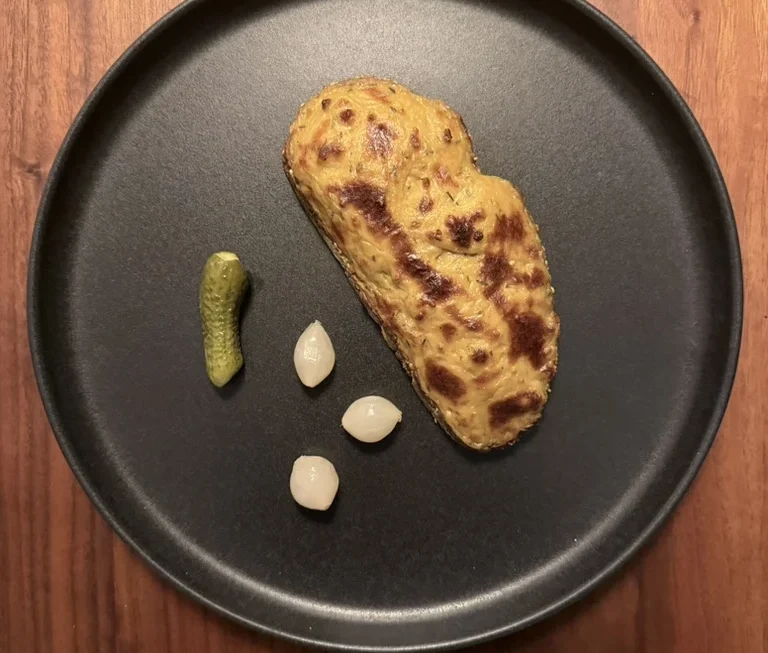
The name predates the dish as we know it today, and it is thought to stem from a joke at the expense of the Welsh, who were very poor at the time. The earliest recorded mention dates from 1725 as ‘Welsh rabbit’; the form commonly used today, ‘Welsh rarebit’, first appeared in 1781. ‘Rarebit’ is therefore probably a later reinterpretation of ‘rabbit’ – a dish that has never contained any meat.
It is interesting to note what early cookery books actually identify as the distinguishing feature of this Welsh dish – and that is not the cheese, but the mustard. An early collection of recipes first describes a basic, neutral dish (bread hollowed out, buttered, filled with cheese and melted in the oven) and then specifically notes: if mustard is also spread inside, that is precisely what makes the dish a ‘Welsh rabbit’.
Early versions bore little resemblance to today’s cheese sauce; they were more like layered or stuffed cheese bread. It was not until the 19th century, with the spread of ready-made mustard and Worcestershire sauce (the latter an invention of the 1830s), that the roux-beer-cheese sauce we know today developed – a sauce spread on toast and baked au gratin. Beer and roux were therefore added later – the mustard had been there from the very beginning.
The basic ingredients are few: very good bread, butter, flour, dark beer and a strong, melty cheese. We recommend a mixture of mature Cheddar and Gruyère.
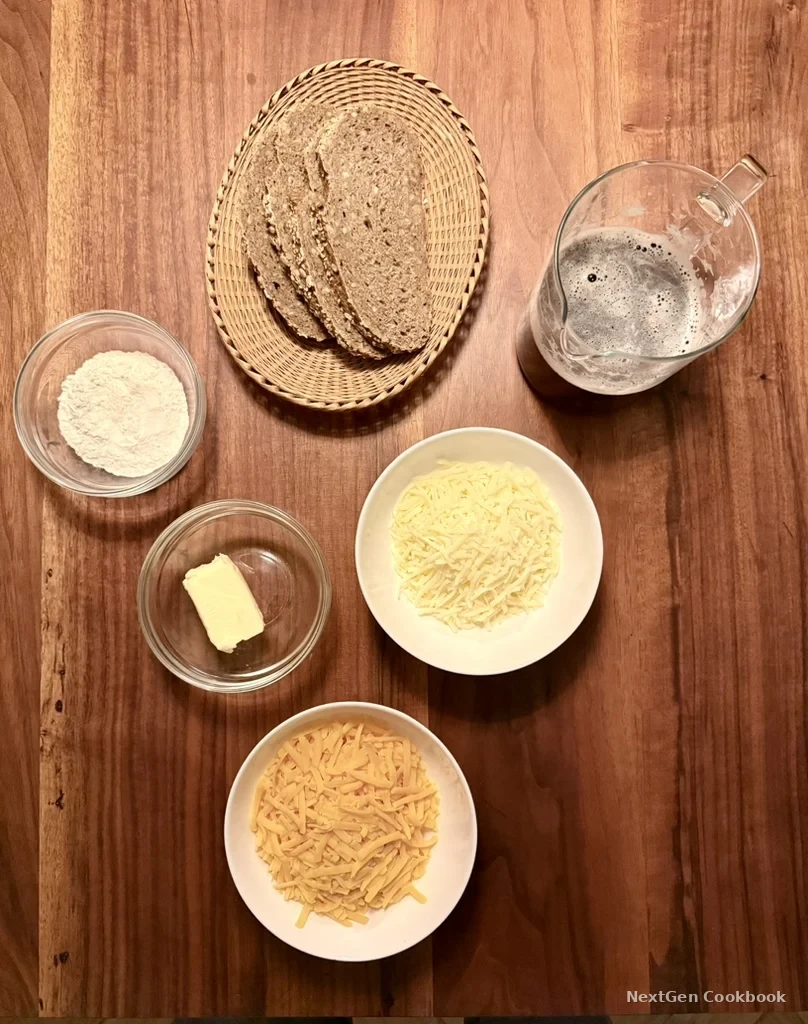
Melt the butter over a medium-high heat until it foams, then stir in the flour. This is how you make a roux, according to French cuisine. You’ll find plenty of examples of this on this blog, such as here.
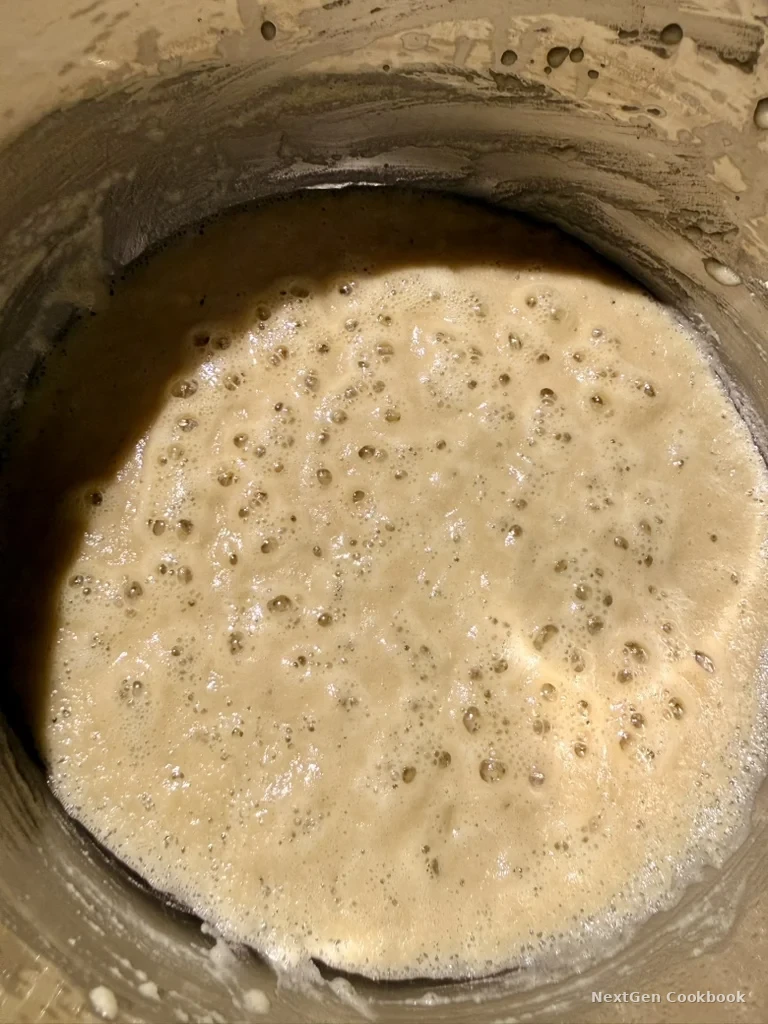
Stir slowly in dark beer and a thick mass will form immediately. Adding more beer turns it into a creamy sauce, which needs to simmer gently for five minutes. If you’d used milk instead of beer, it would be a béchamel.
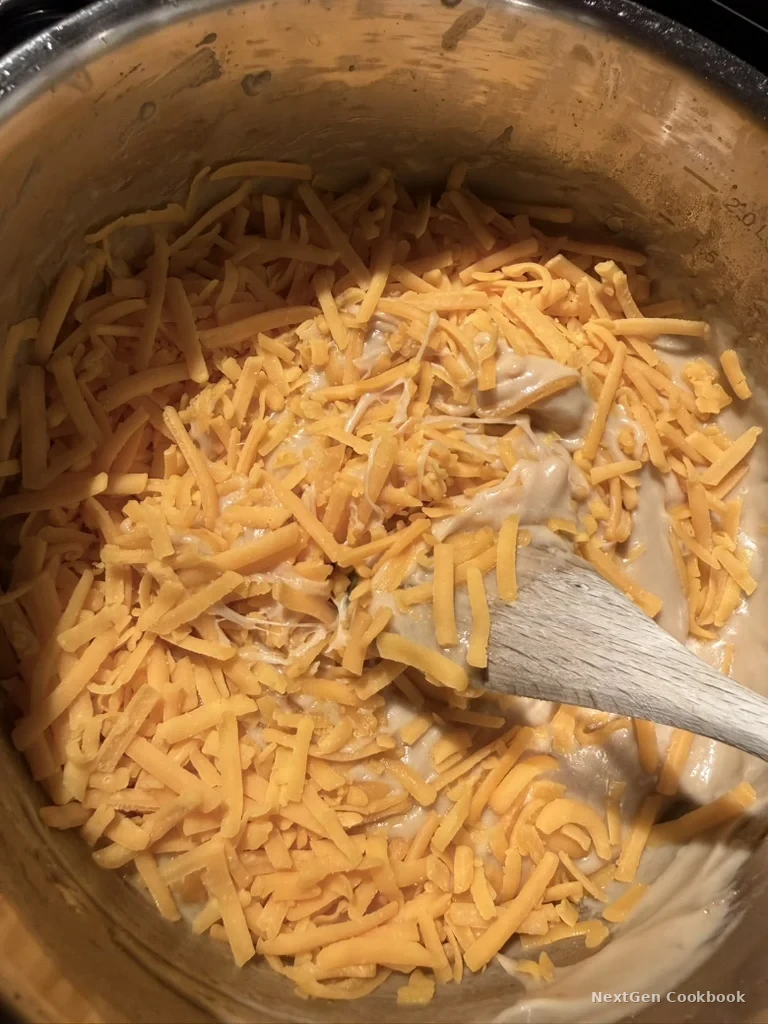
Now remove the pan from the heat – this is absolutely crucial. First, stir some of the cheese into the roux until it melts – we’ll start with the Gruyère – …
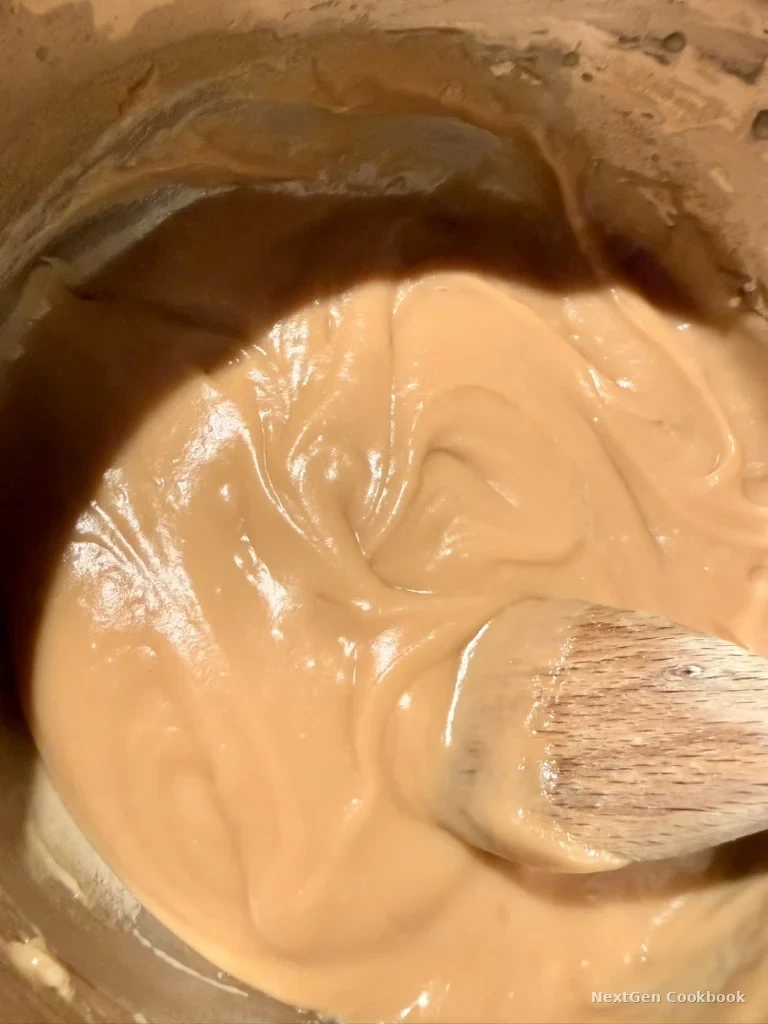
…then comes the second portion. Stir until everything is smooth and well combined. If the cheese hasn’t melted completely, heat the mixture again very gently and briefly over a low heat. Too much of it can ruin the texture of the cheese.
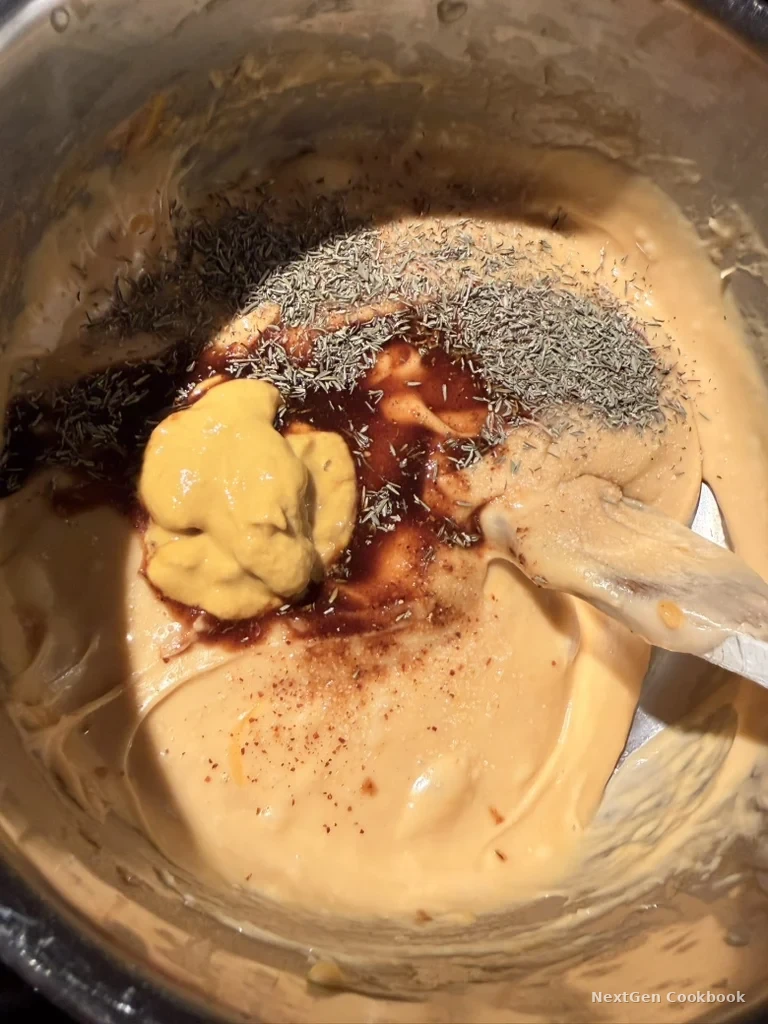
Now it’s time to season, starting with mustard, Worcestershire sauce, thyme, nutmeg and a little cayenne pepper.
Finally, season to taste with salt and pepper, then spread the mixture into a shallow container, place cling film directly on top (to prevent a skin from forming) and put it in the fridge. Place it on a lower shelf so that it cools down more quickly.
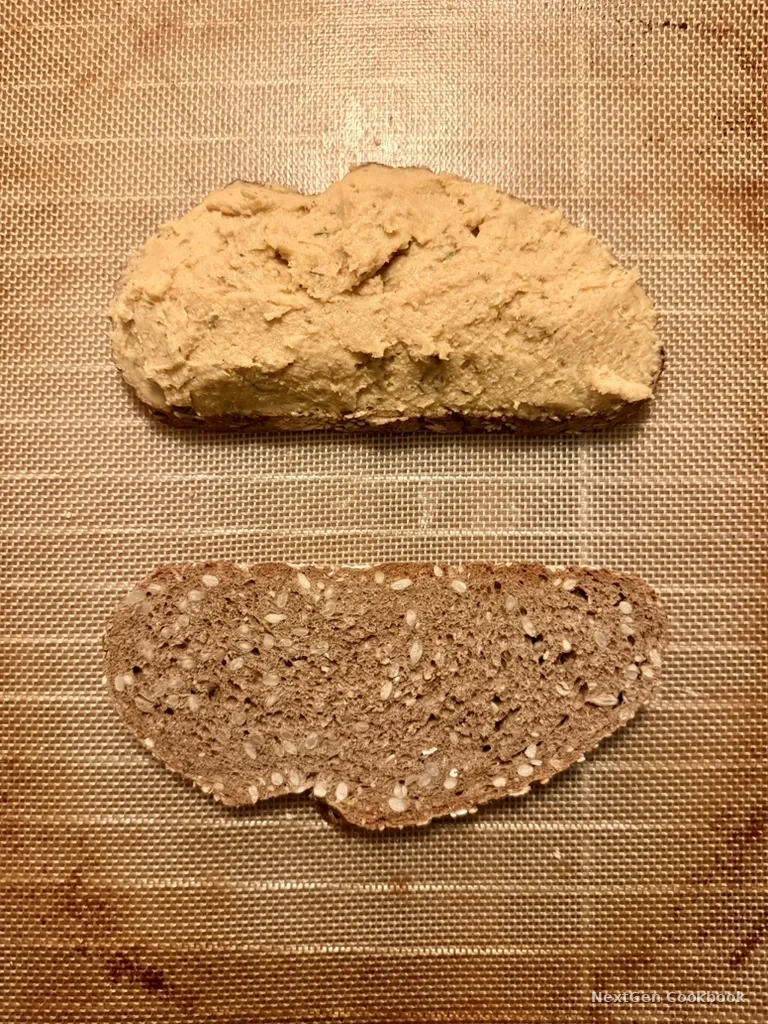
Only once the mixture has cooled and set can you spread it onto a slice of bread using a tablespoon, to a thickness of 2–3 cm, where it will hold its shape. When spread cold, the mixture caramelises quickly on the outside whilst the centre is still melting – this is impossible to control if the mixture is spread whilst warm.
You should toast the slices of bread – this adds texture, as the cheese mixture is soft. You can make them on the oven rack, but baking paper or a silicone mat are much better as they mean less work cleaning up afterwards. If you want to give the rarebit a twist, simply top the bread before spreading the mixture on it – for example, with ham or finely diced vegetables sautéed in butter.
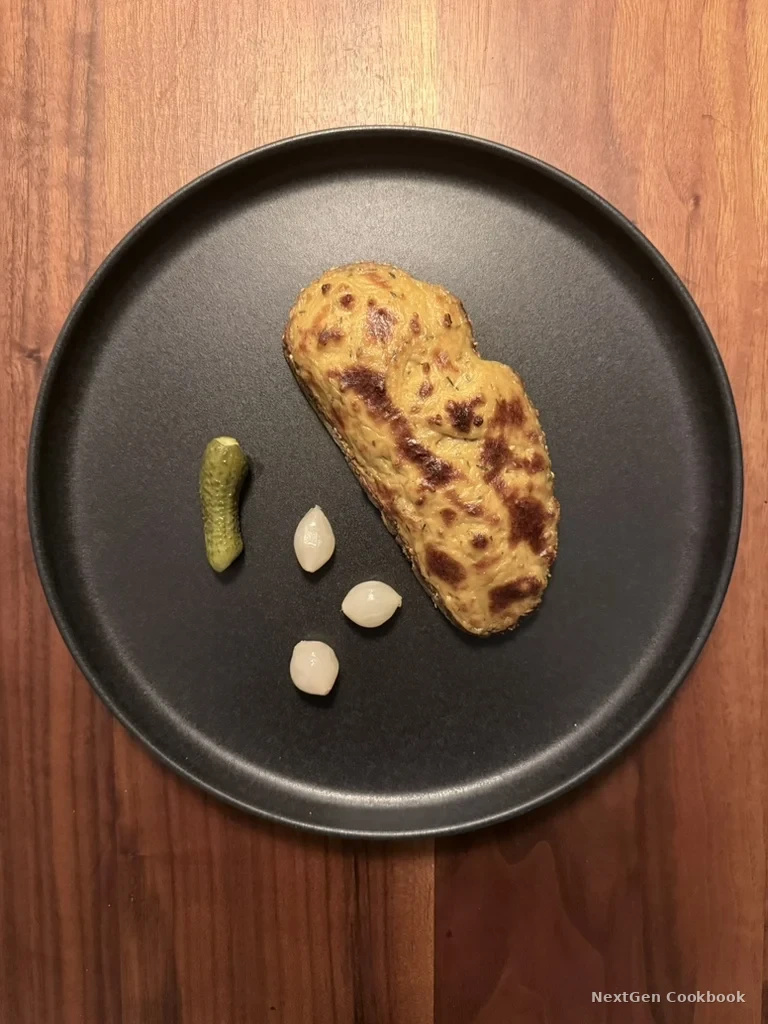
Place the prepared slices under the oven grill, as close to it as possible. Ovens vary in power; in ours, just under three minutes is enough. The surface should be nicely caramelised, but of course not blackened in any places. So keep a close eye on the process. Serve with pickled gherkins, pearl onions or mixed pickles. Delicious, simple and quick to prepare.
Enjoy.
And may the taste be with you.
Ingredients (for 4 people)
4 large, thick slices of good-quality bread (sourdough or sturdy white bread)
40 g butter
40 g flour
250 ml dark, malty beer (e.g. porter or brown ale)
150 g mature Cheddar, grated
100 g Gruyère, grated
2 tsp English mustard or medium-hot mustard
2 tsp Worcestershire sauce
1 ½ tsp thyme leaves (if dried, use 1 tsp)
¼ tsp ground nutmeg or mace
1 small pinch of cayenne pepper
Salt (to taste at the end), black pepper
Gherkins, pearl onions or mixed pickles, to serve
