The name predates the dish as we know it today, and it is thought to stem from a joke at the expense of the Welsh, who were very poor at the time. The earliest recorded mention dates from 1725 as…
may the taste be with you
The name predates the dish as we know it today, and it is thought to stem from a joke at the expense of the Welsh, who were very poor at the time. The earliest recorded mention dates from 1725 as…
Bavarian cabbage is one of the classic side dishes of Bavarian cuisine and is closely linked to traditional peasant food storage practices: white cabbage kept well and was prepared in ever-changing ways throughout the winter months. Unlike sauerkraut, Bavarian cabbage…
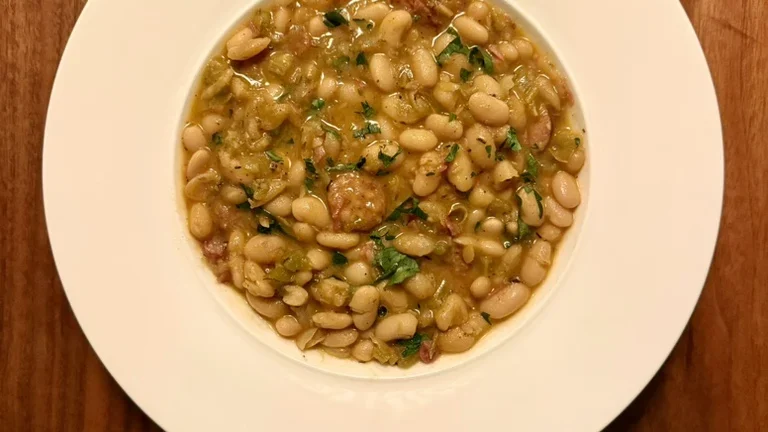
Most people associate Louisiana cuisine with gumbo, jambalaya and red beans with rice. White beans tend to be somewhat overshadowed, but they are just as common in households across the South: slow-cooked with smoked sausage, served with or without rice.…
Anyone who reads this blog regularly will already know: we love to describe cooking with eggs in great detail, because there’s hardly a more versatile ingredient. We’ve already posted articles on fried eggs, poached eggs, scrambled eggs, boiled eggs and…
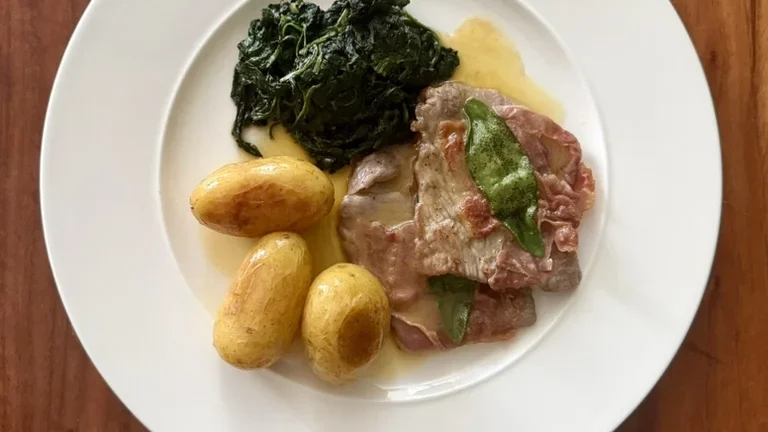
Pan-fried veal cutlets with ham and sage – a classic of Roman cuisine. When preparing this dish, we follow a recipe from the famous cookbook *Il cucchiaio d’argento* (The Silver Spoon). It dates from the mid-20th century, although the dish…
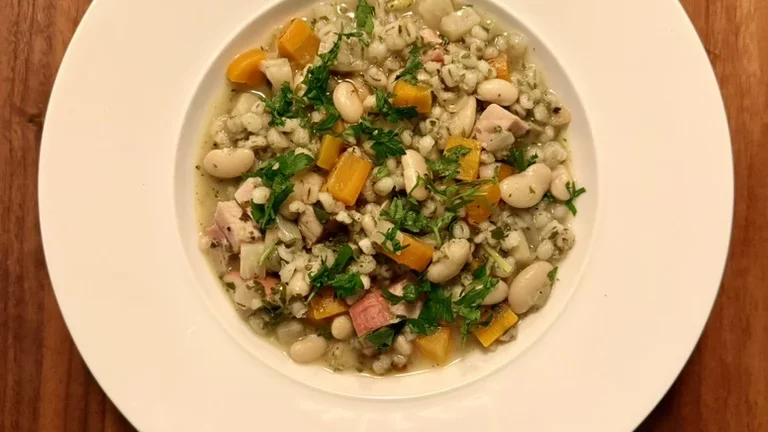
Anyone looking for the oldest dishes in Europe that are still eaten today will eventually come across the Ritschert. Archaeological finds in Austria show that people there were already familiar with a dish made from barley grains, pulses and salted…
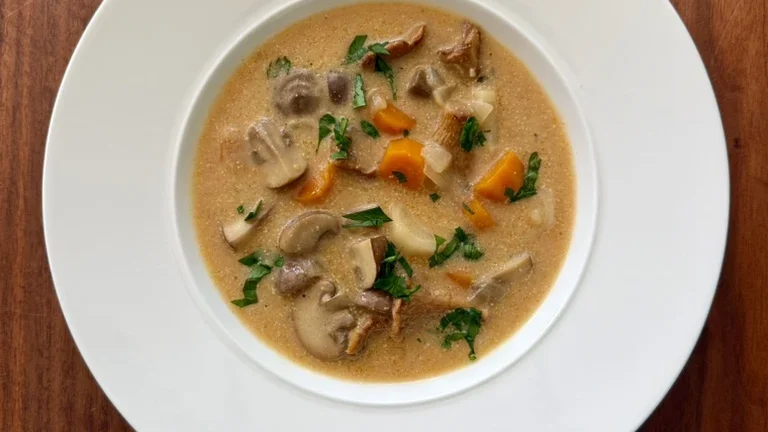
Gombaleves is one of those everyday dishes that are hardly known abroad, even though they are a staple of Hungarian cuisine. Unlike goulash or paprikás, this mushroom soup is not a signature dish, but a genuine family meal – vegetarian,…
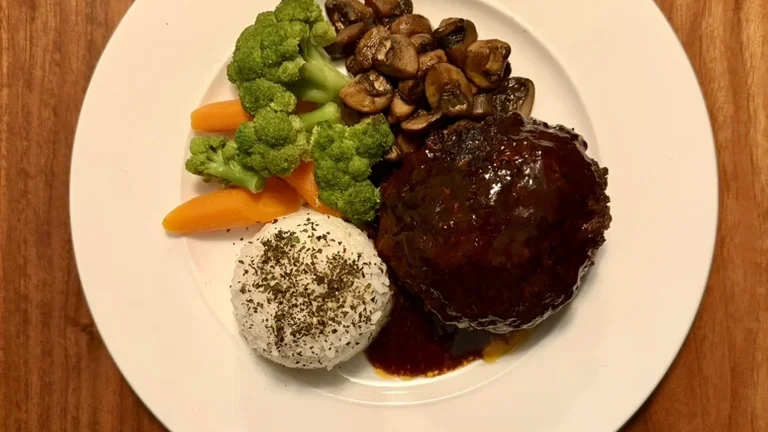
Hambagu (ハンバーグ) is part of yōshoku – Western-style cuisine, or more specifically, Japanese adaptations of Western dishes that emerged from the Meiji period (1868–1912) onwards, when Japan opened up to foreign culture and cuisine after centuries of isolation. The name…
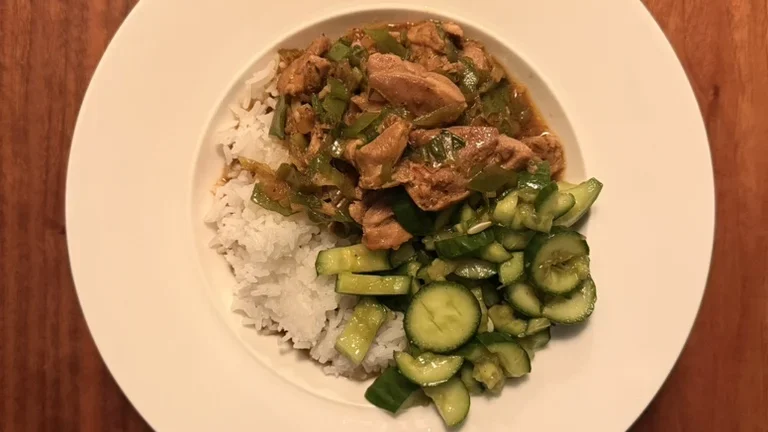
Adobo is regarded as the Philippines’ unofficial national dish – a remarkable consensus in a country with over 7,000 islands and just as many regional culinary traditions. The name derives from Spanish (‘adobar’, to marinate, to season), but the underlying…
This is one of our favourite salads; it also makes an excellent lunch – light and nutritious. What’s more, it’s ideal for a picnic or for taking with you, as it keeps well for a long time. Everyone can adapt…
Begin typing your search term above and press enter to search. Press ESC to cancel.