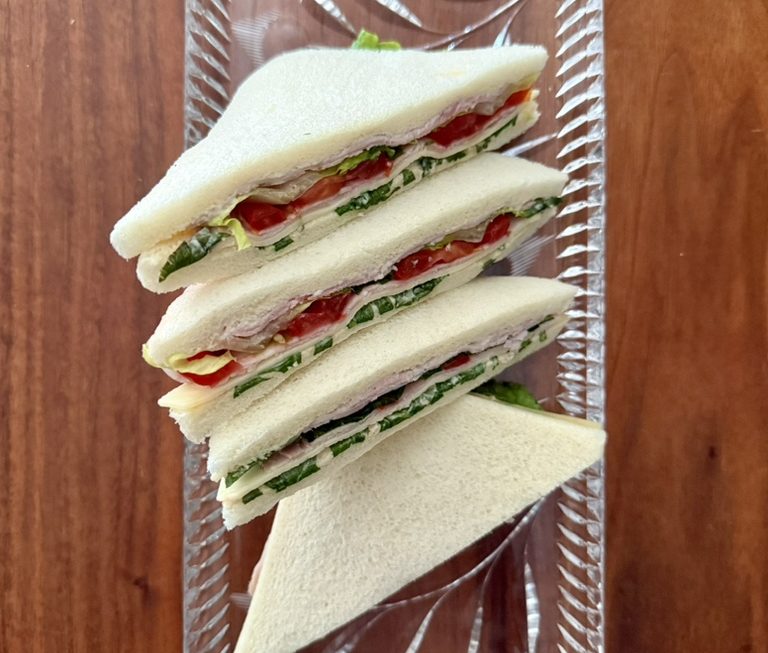
Simply the story behind this little triangular sandwich without its crust is worth telling, and it is now turning 100.
What is now a common sight in Italian bars today was not invented in Venice – where the tramezzino is most closely associated with the local cicchetti culture – but in Turin, at Caffè Mulassano, a small café measuring around 30 square metres in Piazza Castello, which has been in business since 1879.
Angela Demichelis Nebiolo, born in Turin in 1904, moved to Detroit at the age of 15, where she met her future husband, Onorino. In 1926, the couple returned to Turin with their two children and took over the café in question.
What they had come to know in the USA were the classic American and English sandwiches, named after John Montagu, 4th Earl of Sandwich (1718–1792). The keen card player did not want to be interrupted whilst enjoying his favourite activity, so he came up with the idea of two slices of warm bread with butter, stuffed with cold meat. Back in Italy, they left the bread untoasted, removed the crust and based the fillings on Piedmontese cuisine.
That might sound a bit boring when it comes to bread, but it’s the special preparation that makes all the difference. Tramezzini aren’t eaten straight after they’re made, and unlike toast, they taste just as good – if not better – the next day.
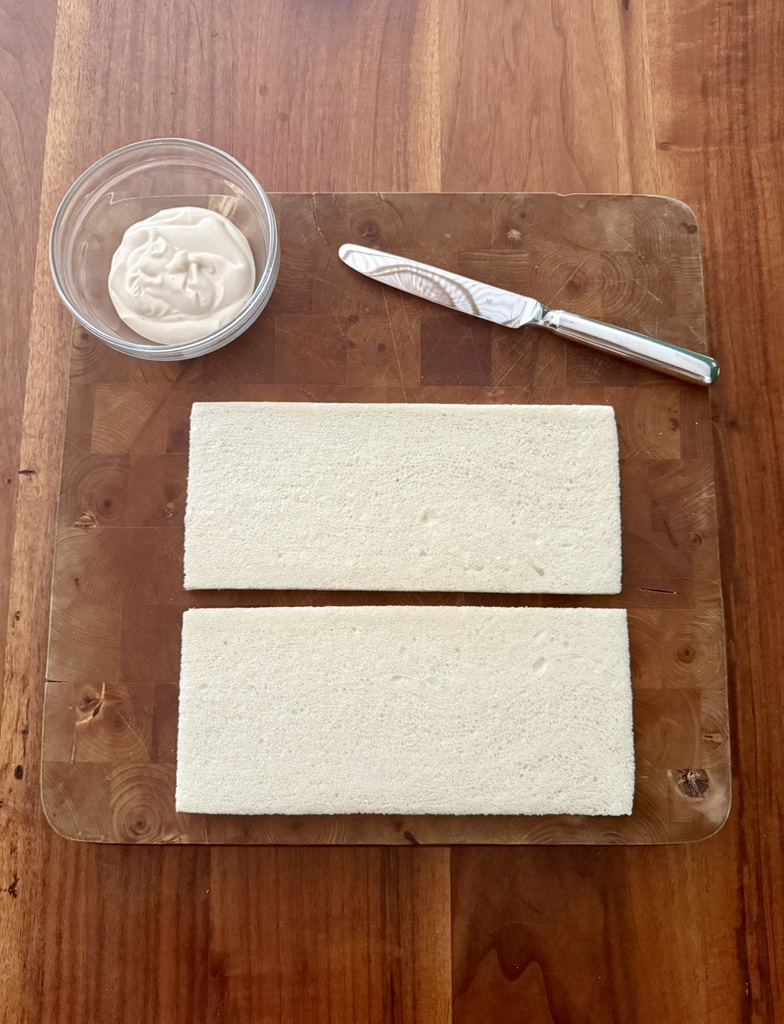
The Italian bread is very soft, fluffy and thin. We can buy it in their original form. If that’s not possible for you, use white toast, remove the crust and roll it out a little flatter with a rolling pin, working very gently. Your toast would be square; Italian bread for tramezzini is usually twice as wide.
The second key ingredient is mayonnaise, and you can read how to make your own here.
First, spread two slices of bread with the most delicious mayonnaise you can make or buy.
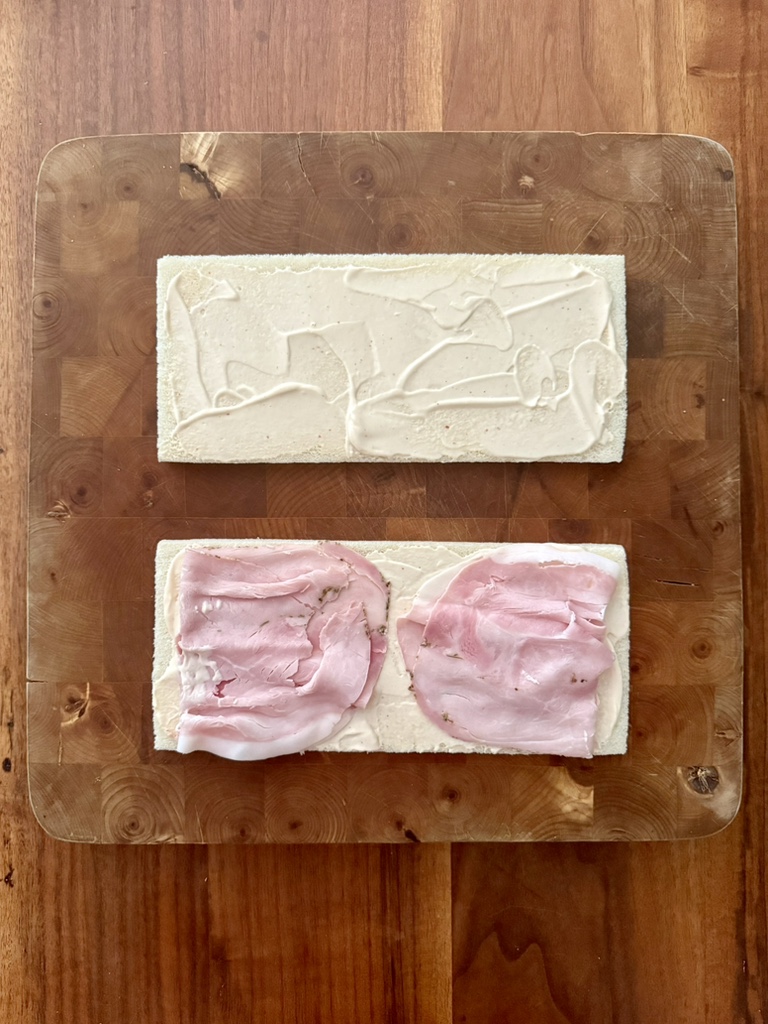
In our first version, one of the slices is topped with thinly sliced, cooked ham. How much you use is up to you, but tramezzini aren’t burgers and shouldn’t be piled up with an absurd amount of filling.
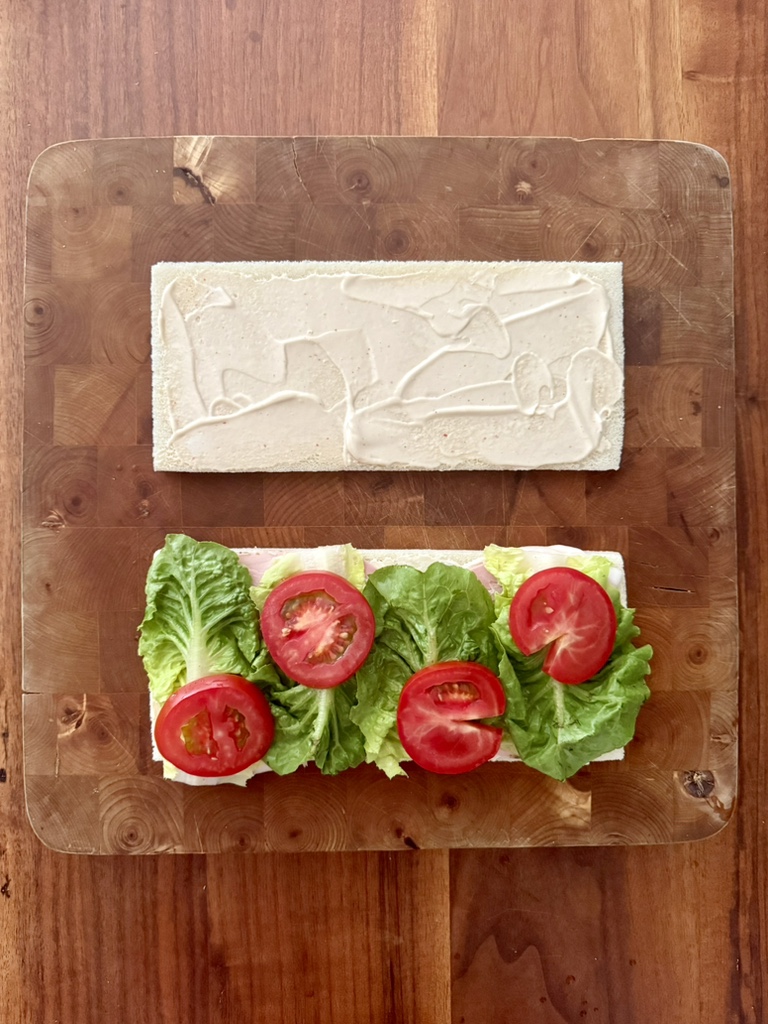
Place crisp lettuce leaves on top of the ham – romaine lettuce works very well. Then add slices of ripe tomatoes, with the stalk removed.
Actually, Angela Nebiolo didn’t name her sandwich herself; it was a regular at Caffè Mulassano – the poet Gabriele D’Annunzio – who gave the creation its name. ‘Tra’ means ‘in between’ and ‘mezzo’ means ‘middle’; we could not find any reliable information beyond that regarding the origin of the name.
Back to the tramezzino. Place slices of cheese on top of the tomatoes – Emmental works very well. We love to add fresh rocket to the other half for a nutty flavour.
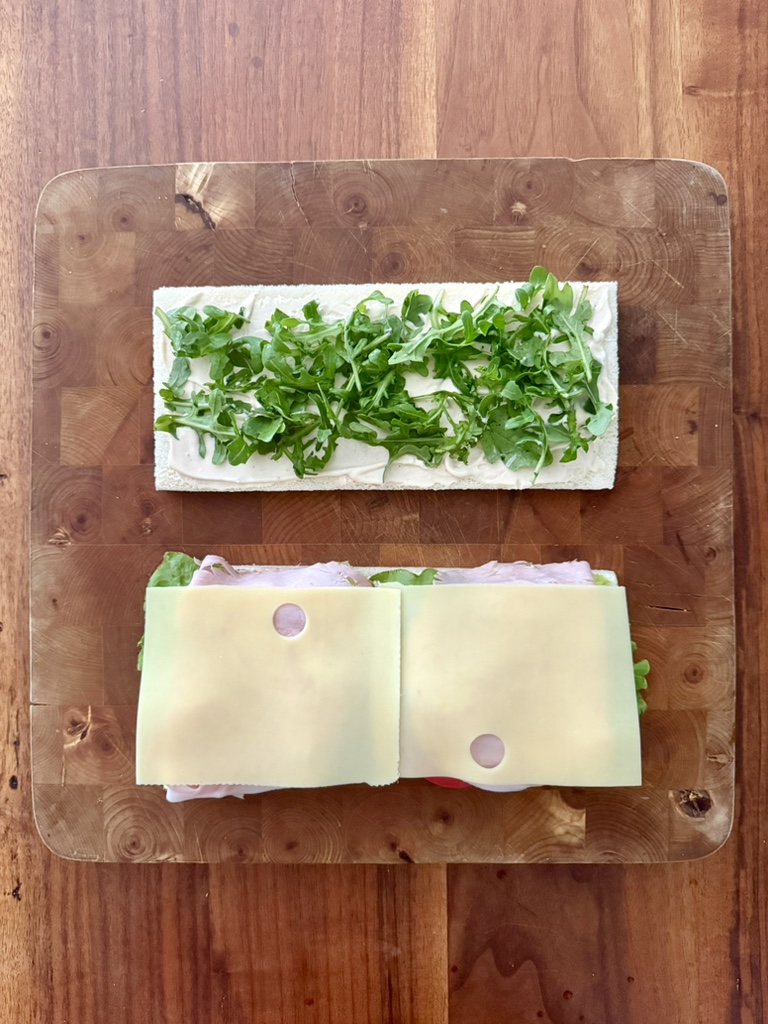
Then place the side with the rocket – which sticks to the mayonnaise – onto the other half with confidence. Now comes the most important part:
Press the halves together to compact the sandwich, but not so tightly that the filling oozes out. Then wrap it tightly in cling film and leave it in the fridge for at least an hour – preferably longer. As already mentioned, leaving it for a whole day is no problem. You mustn’t skip this step.
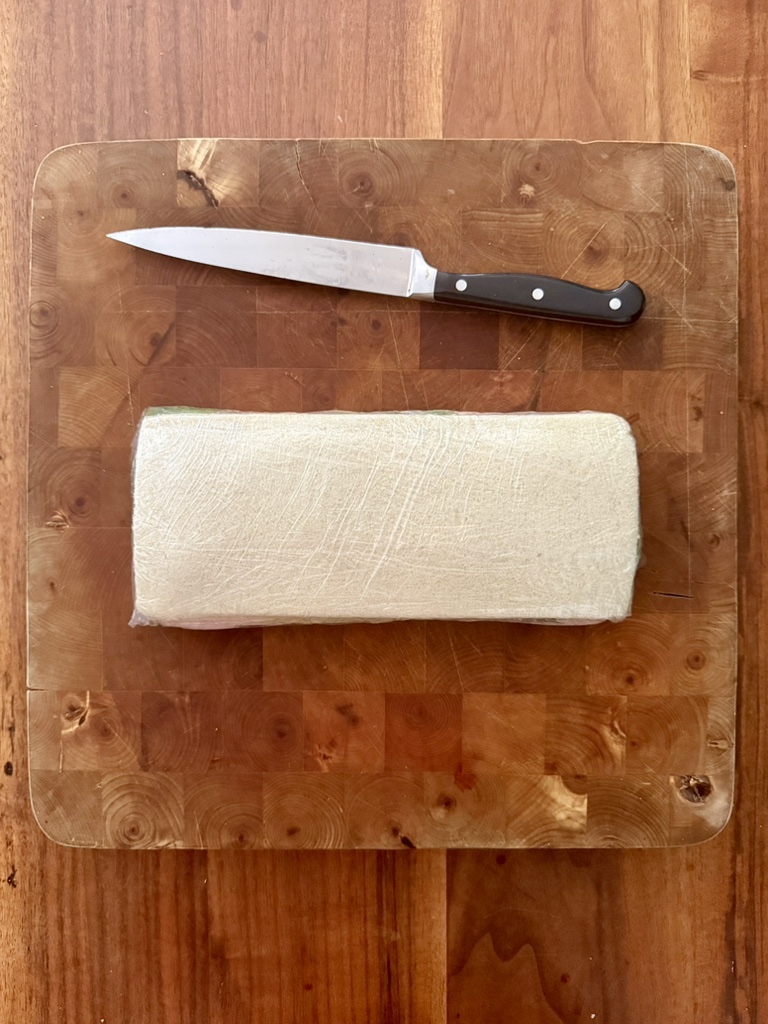
That was just one variation – there are endless possibilities, and you can create your own. We’ll explain two more classics.
Tinned tuna, in its own juice (not in oil), is mashed with a fork or flaked with your fingers and mixed with mayonnaise. The mixture is spread onto the bread. Tip: Dice a little celery very finely and mix it in – it adds even more freshness.
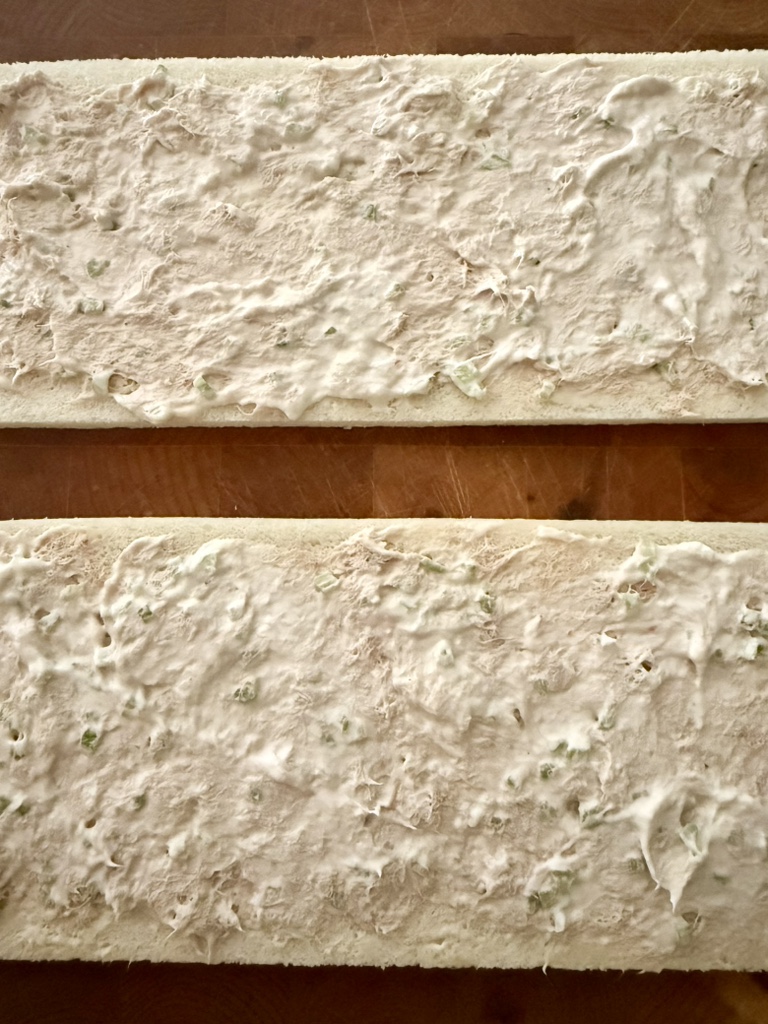
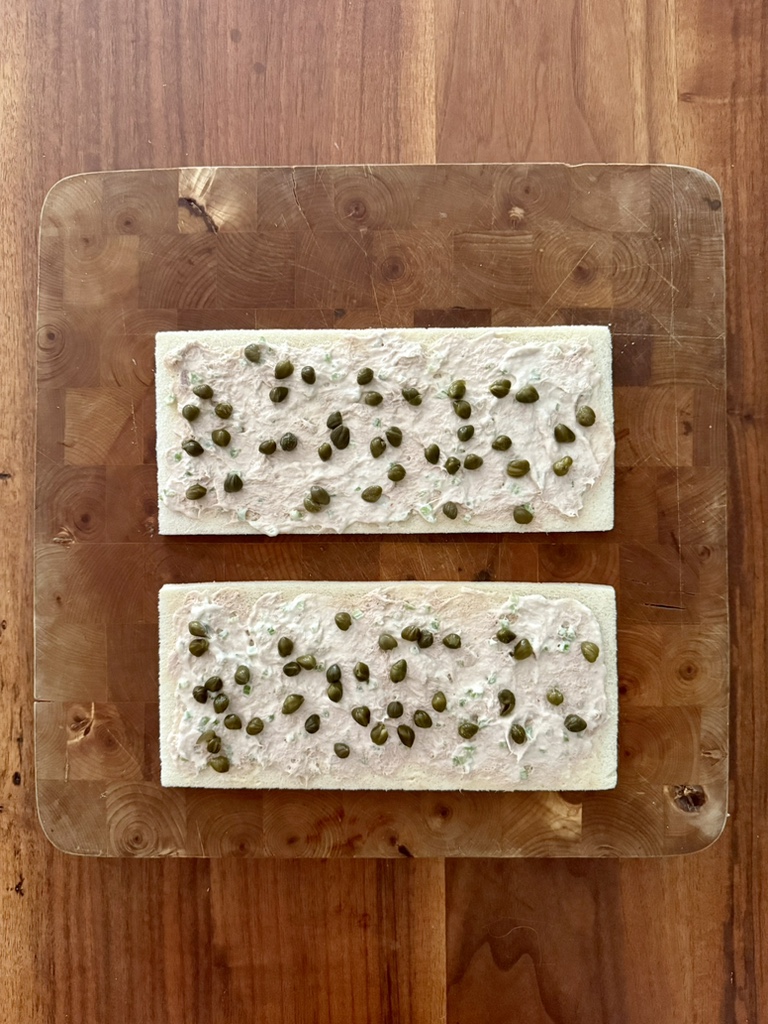
Next, sprinkle as many capers as you like over both halves.
Place lettuce, tomato slices and more tuna on one half again. For us, sliced olives are an absolute must at this stage.
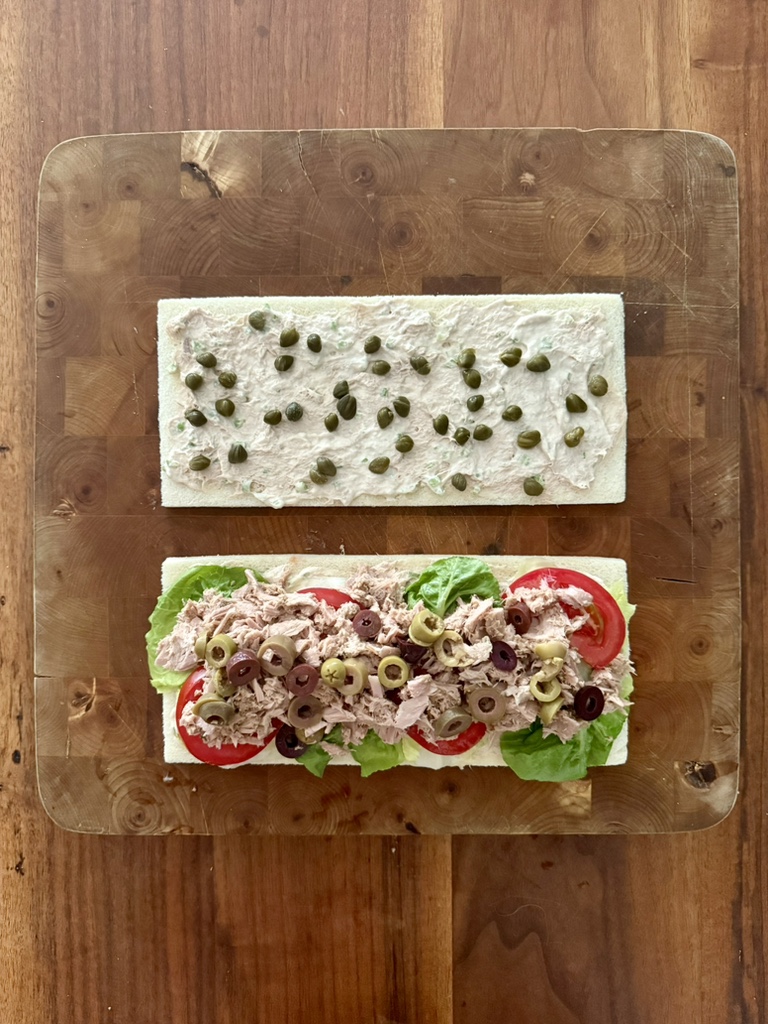
Fold, press, wrap, chill. It’s always the same.
Third version:
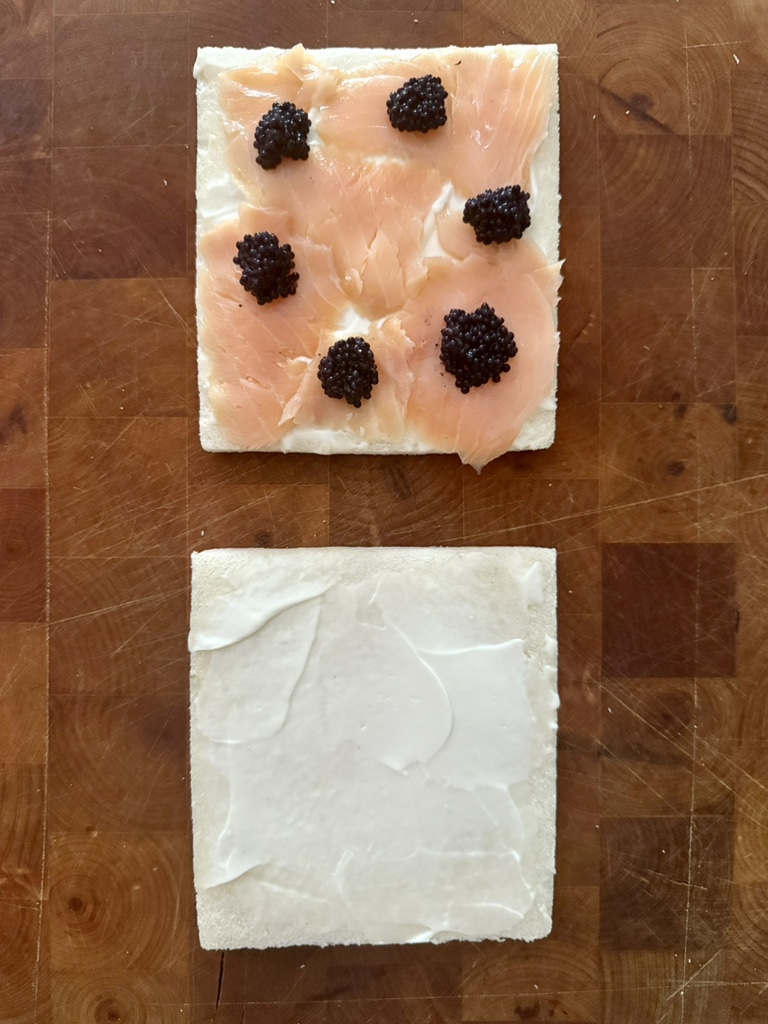
Mayonnaise, with thinly sliced marinated salmon on one half. On top, small nests of caviar. If you look very closely, you can see how we’ll be cutting the bread at the end.
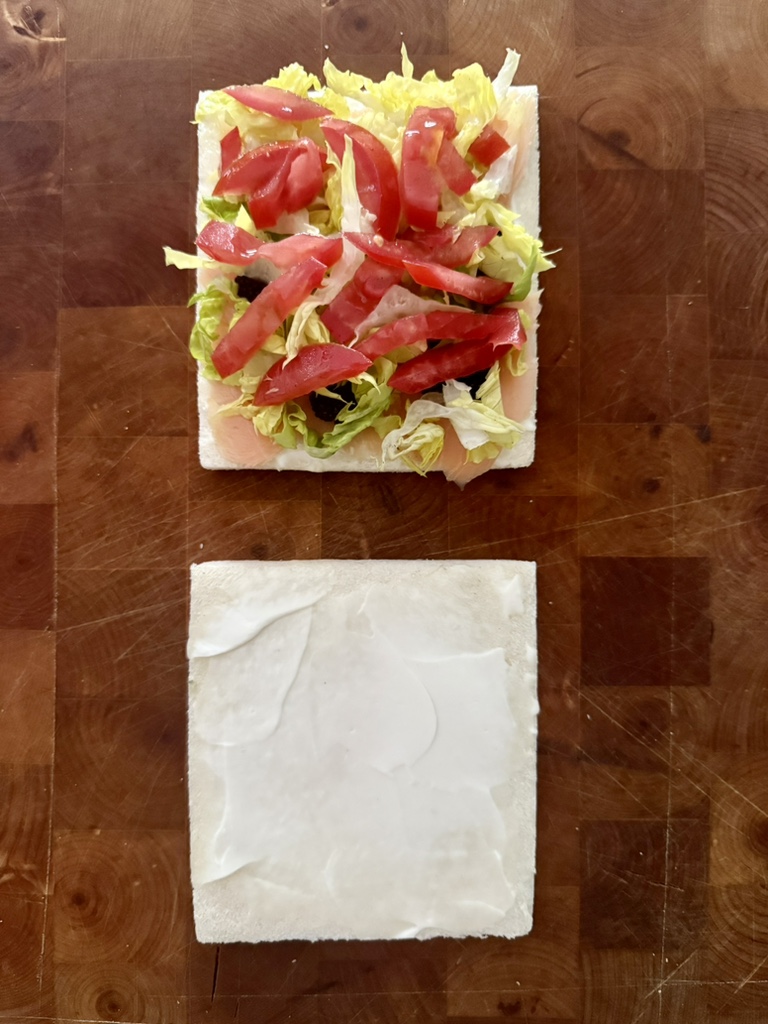
To prevent the caviar from spreading all over the sandwich, this time we’ll cut the lettuce into fine strips, and do the same with the tomato slices. Then we’ll carefully arrange both on top.
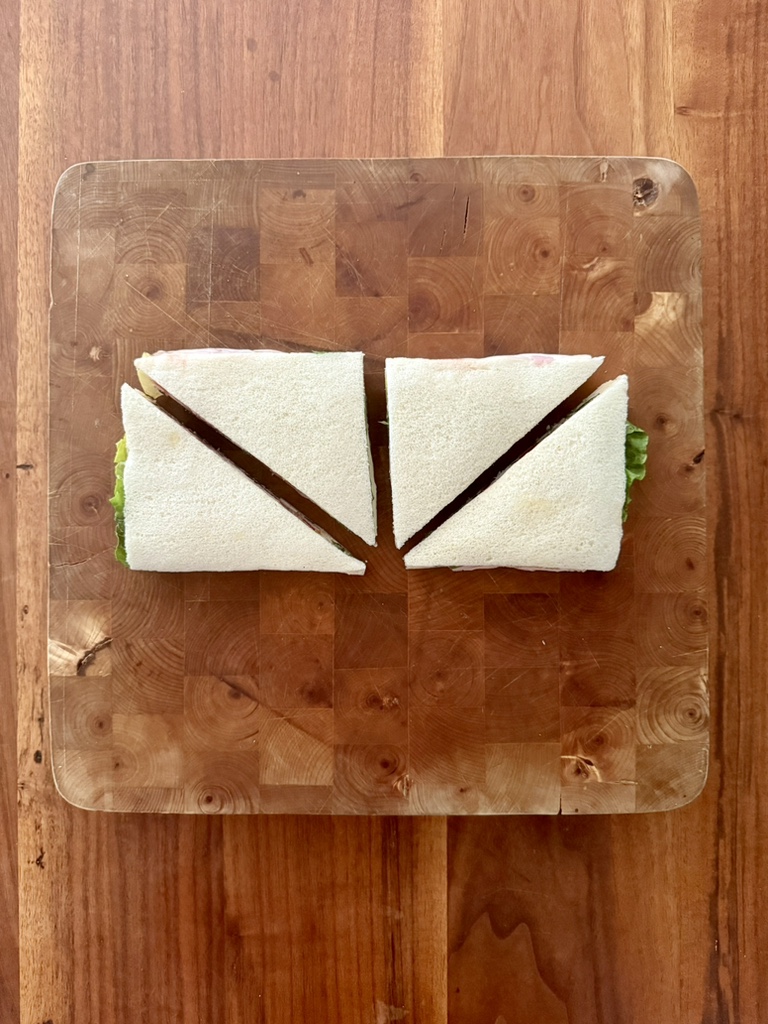
All that remains is the final step: cutting the tramezzini. The wide slices are halved and then cut diagonally.
You’ll find endless combinations – or, better still, come up with your own. It’s important to keep them fairly compact without them sticking together, and to ensure the tramezzini are chilled.
There are plenty of lovely cold drinks to go with this, most of which contain alcohol.
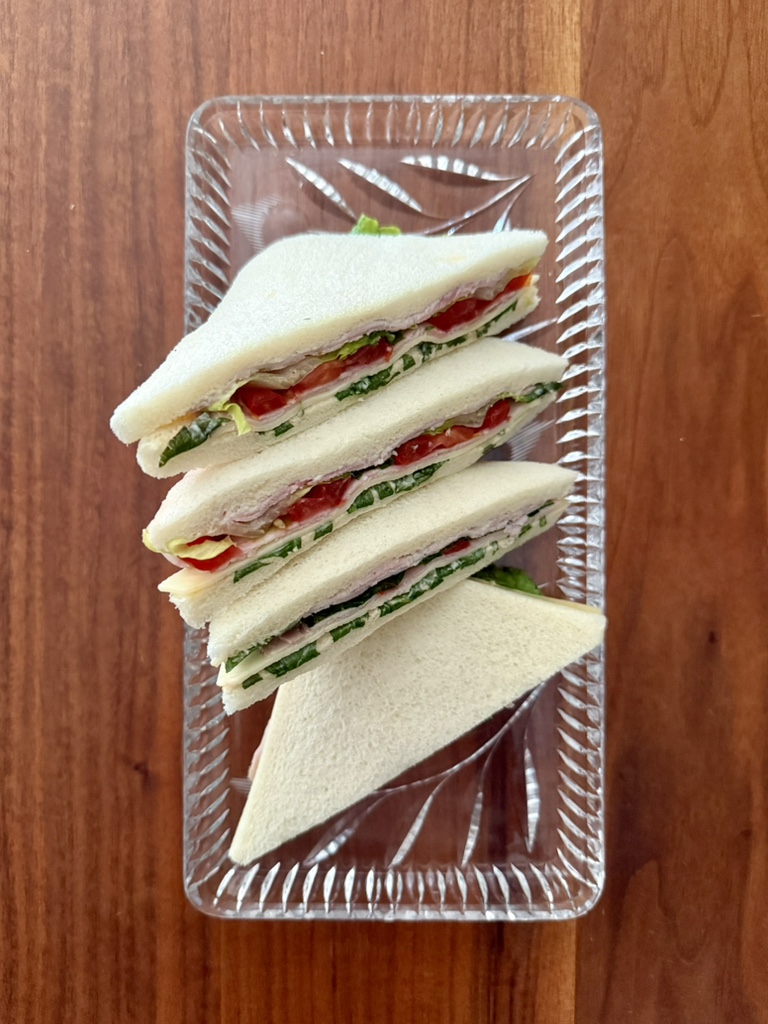
Enjoy.
And may the taste be with you.
Ingredients (for 4 tramezzini each):
Toast bread, crusts removed, of course
Ham and cheese:
2 tbsp mayonnaise (approx. 30 g)
40 g cooked ham
Lettuce leaves (e.g. romaine)
Slices of ripe tomatoes
40 g thinly sliced cheese (e.g. Edam)
Rocket
Tuna:
30 g tuna (tinned, in its own juice, not in oil) mixed with 2 tbsp mayonnaise
Capers to taste
Salad leaves (e.g. romaine)
Slices of ripe tomatoes
60 g tuna (see above)
Sliced olives, to taste
Salmon:
2 tbsp mayonnaise
50 g sliced marinated salmon
2–3 tsp caviar
Salad leaves (e.g. romaine), cut into strips
Strips of ripe tomatoes