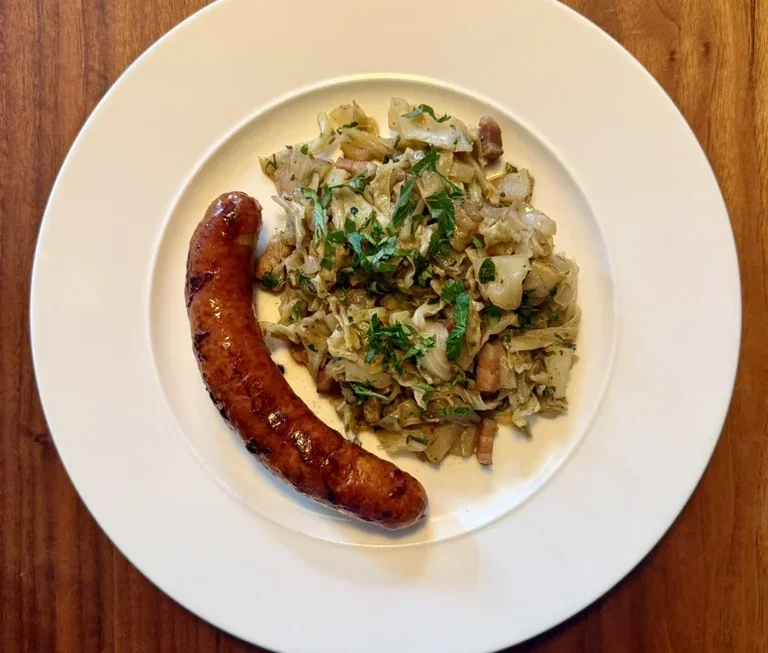
Bavarian cabbage is one of the classic side dishes of Bavarian cuisine and is closely linked to traditional peasant food storage practices: white cabbage kept well and was prepared in ever-changing ways throughout the winter months. Unlike sauerkraut, Bavarian cabbage is not fermented but braised fresh – with bacon, onions and a slightly sweet, caramelised note that distinguishes it from its North German or Swabian counterparts.
It’s easy to make, but we’ll show you how to really elevate this dish, and we highly recommend giving it a go. We’ve already shown with ‘Krautfleckerl’ what fantastic dishes you can make from simple cabbage, and this is even more true of ‘Bayerisch Kraut’.
You can use white cabbage or hispi cabbage; the latter is more tender and cooks more quickly, whilst white cabbage remains slightly crunchier. Remove the outer leaves, halve the cabbage and cut out the stalk in a wedge shape.
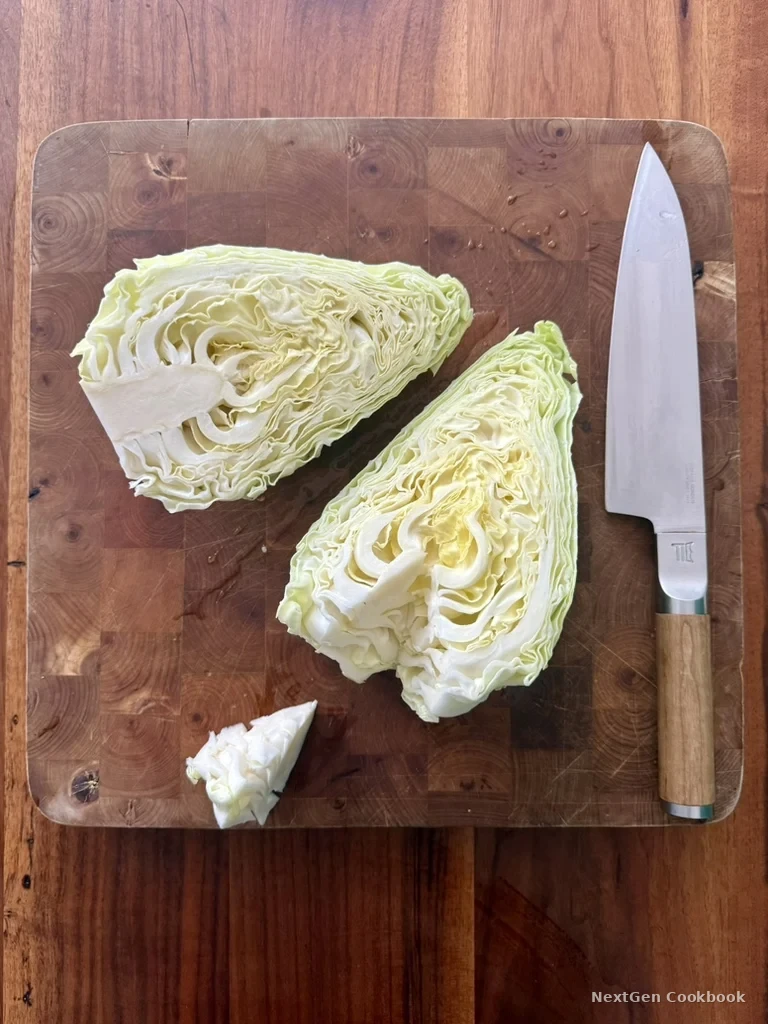
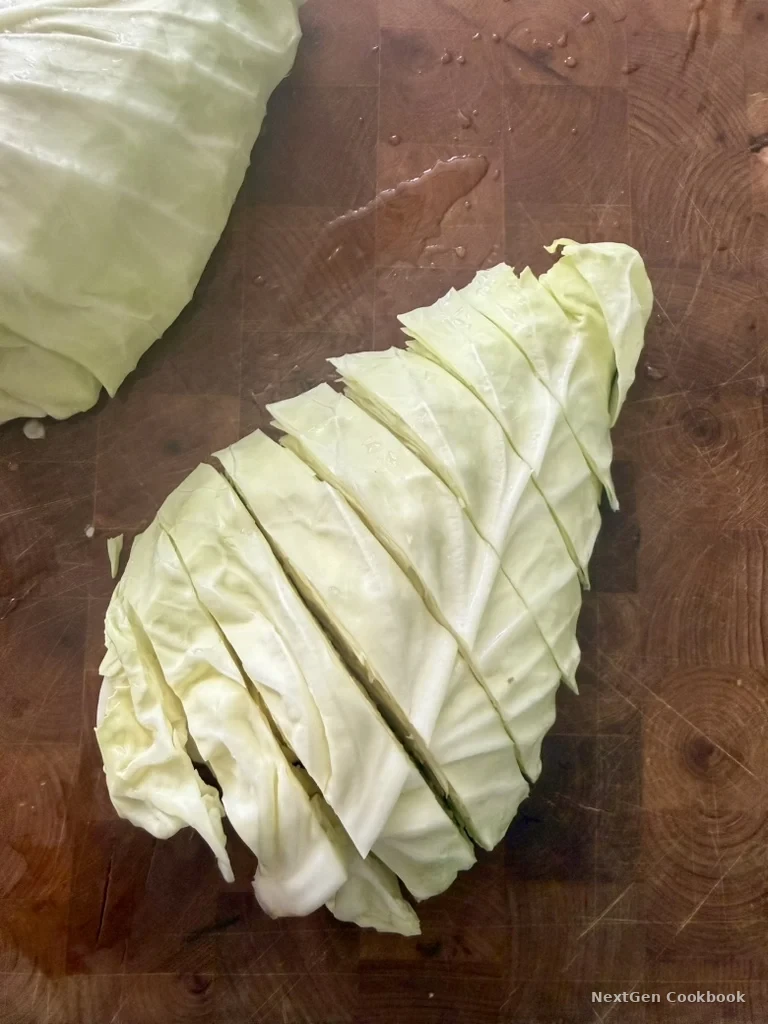
Strips 2 cm wide are then cut, and again crosswise. Often, rather than squares, diamonds are formed – they look prettier and are reminiscent of the Bavarian coat of arms. That is why we, too, deliberately cut at an angle.
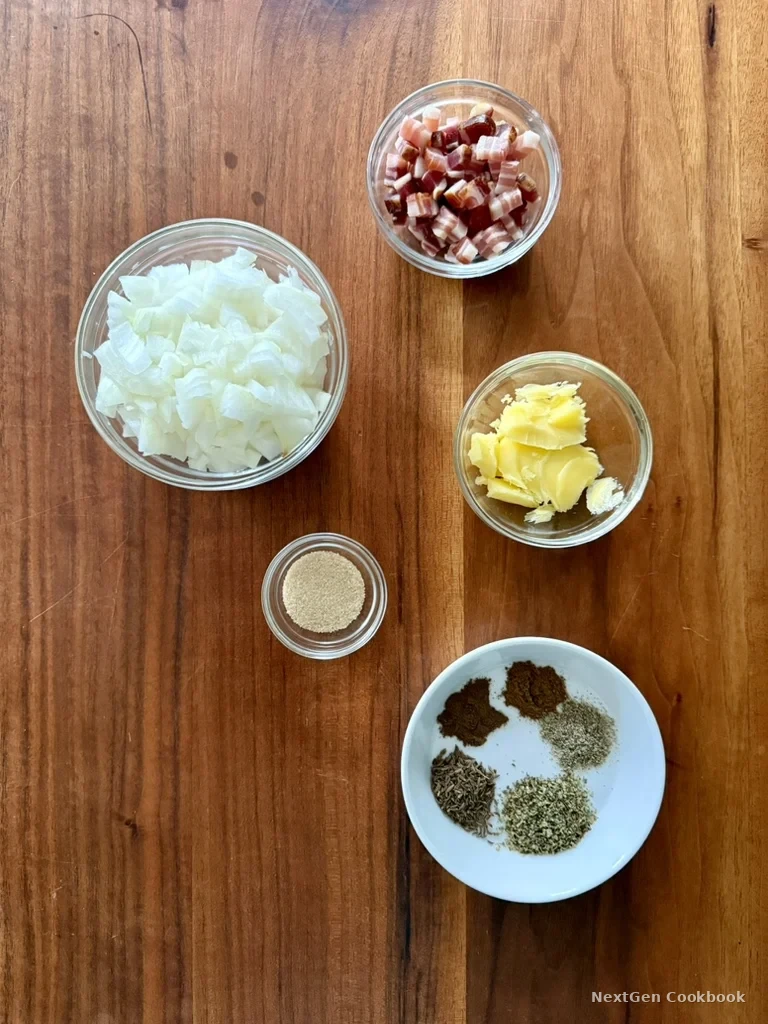
Dice bacon (without the rind) and onion. Lard or even rendered pork fat with crackling is often used for frying, but we prefer clarified butter. You’ll need a little sugar, and as for spices, in addition to salt and pepper, we recommend caraway seeds, marjoram, cloves and allspice, both ground. This gives the dish a wonderful depth of flavour.
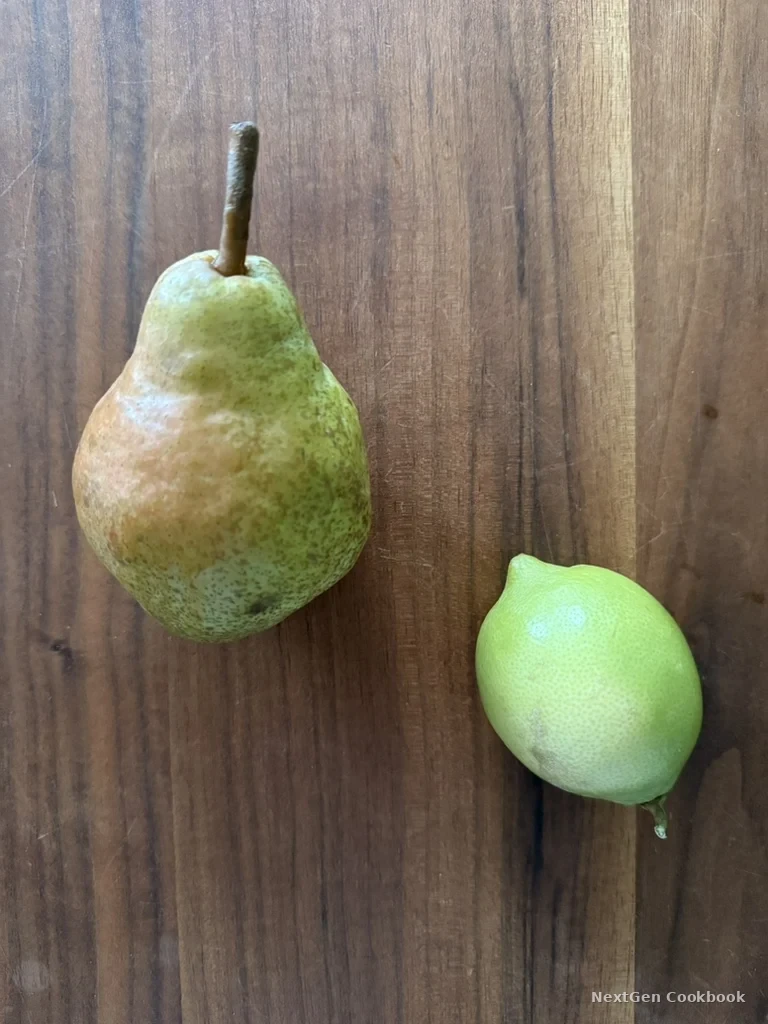
Fruit adds even more flavour. You can – though you don’t have to – add apple, pear or quince; all three go perfectly with the cabbage. Quinces aren’t ripe yet, so we’ll go for pear. You can also enhance the finished dish wonderfully with lemon zest – we always do this – so you’ll need an untreated lemon, washed in hot water.
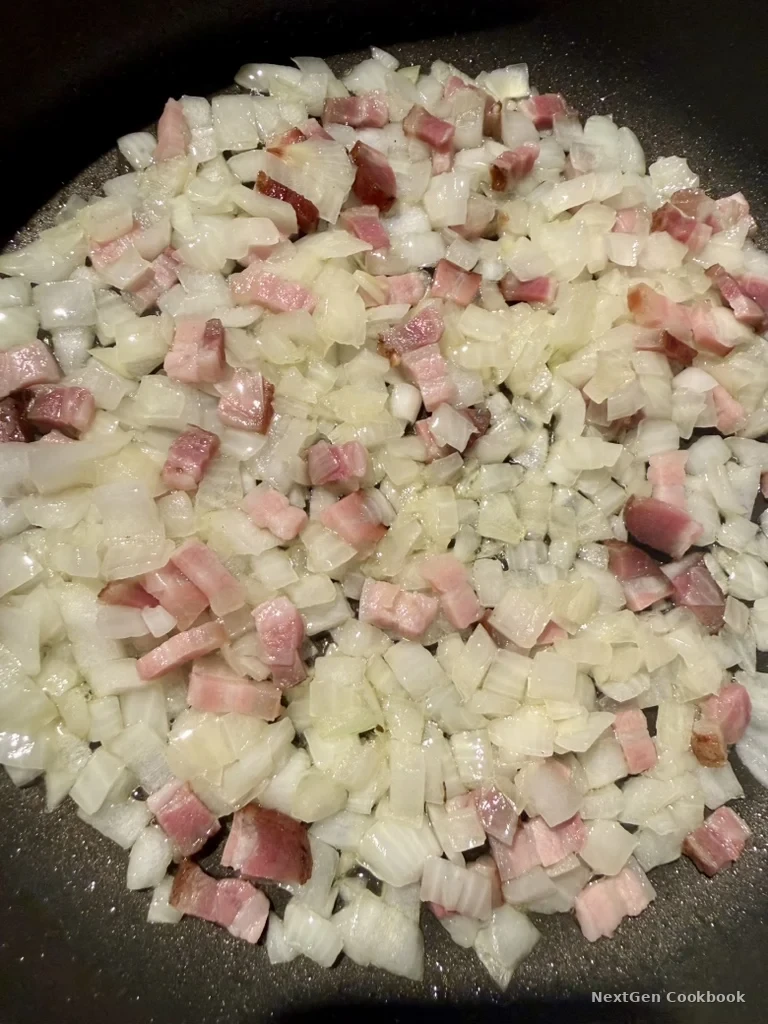
Heat half the clarified butter over a medium-high heat, then gently fry the bacon and onions without letting them brown. Remove both and set aside.
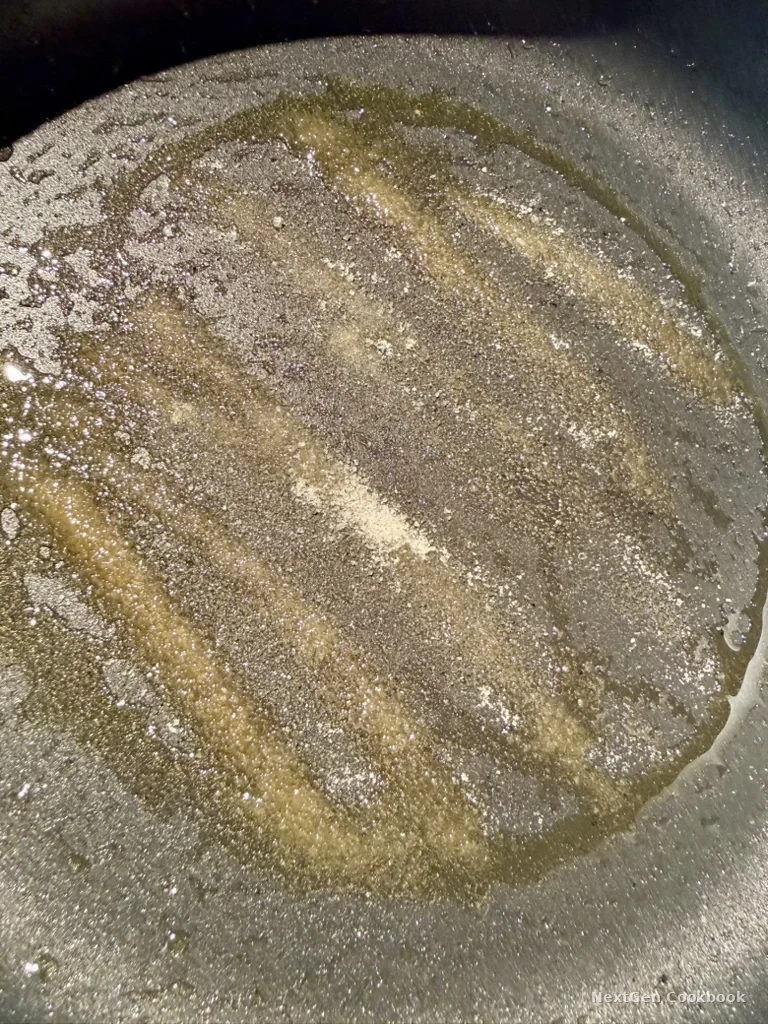
Now add the other half of the clarified butter to the pan and start by caramelising the sugar until it turns a dark colour, just as you would when making ‘Krautfleckerl’.
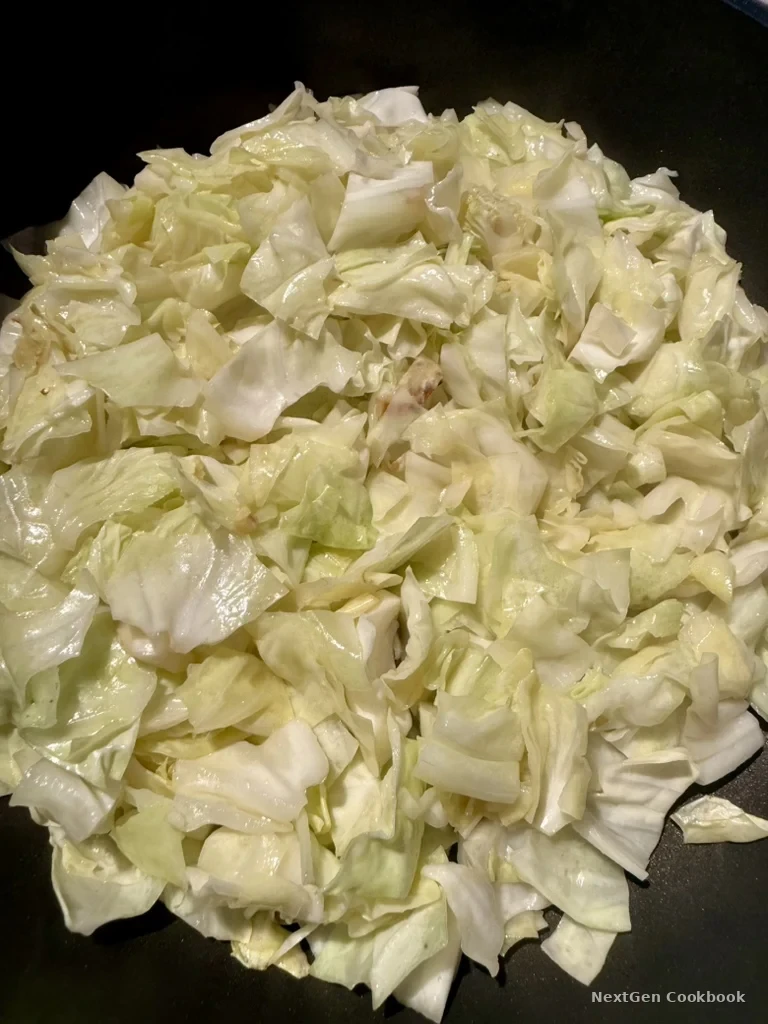
Add the cabbage to the liquid caramel – if it doesn’t all fit into the pan at once, add it in batches, as it wilts quickly. Stir constantly to ensure that all the cabbage comes into contact with the heat and the caramel.
After 4 minutes, return the onions and bacon to the pan. Add the spices, along with a little salt and pepper, and stir them in thoroughly.
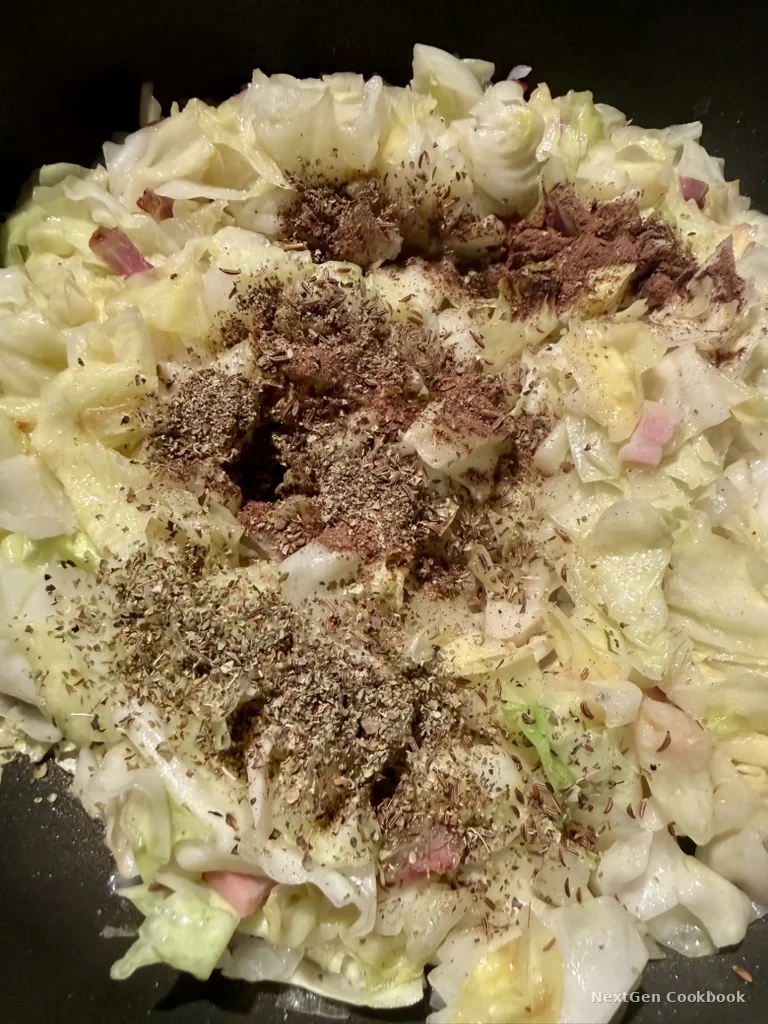
Once that’s done, pour in a bit of dark beer. Alternatively, you could use stock, but it tastes much better with dark beer. You never need a whole bottle, so there’s still some fuel left for the hard-working cook at the stove.
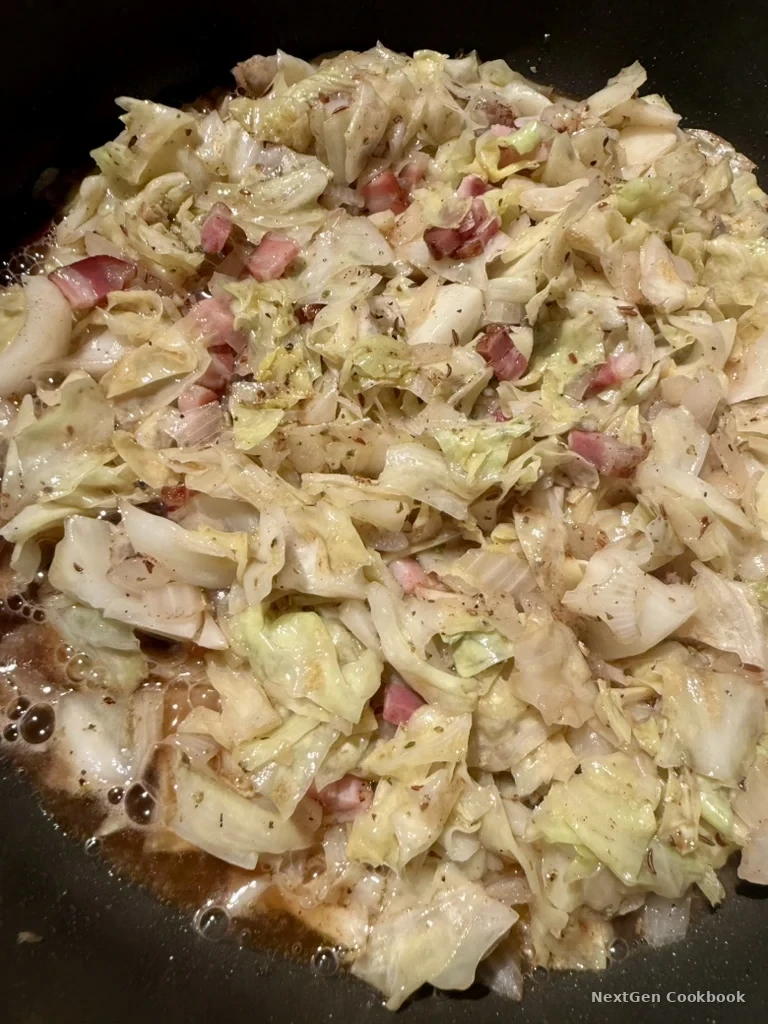
Now place a lid on the pan and gently braise the cabbage over a medium heat. Pointed cabbage takes just 15–20 minutes, whilst white cabbage takes 30–40. There’s no need to stir during this time.
If you want to add fruit, you’ll need to calculate a little. Apples and pears go into the pan for the last 10 minutes, whilst quinces take 20 minutes and are therefore better suited to white cabbage.
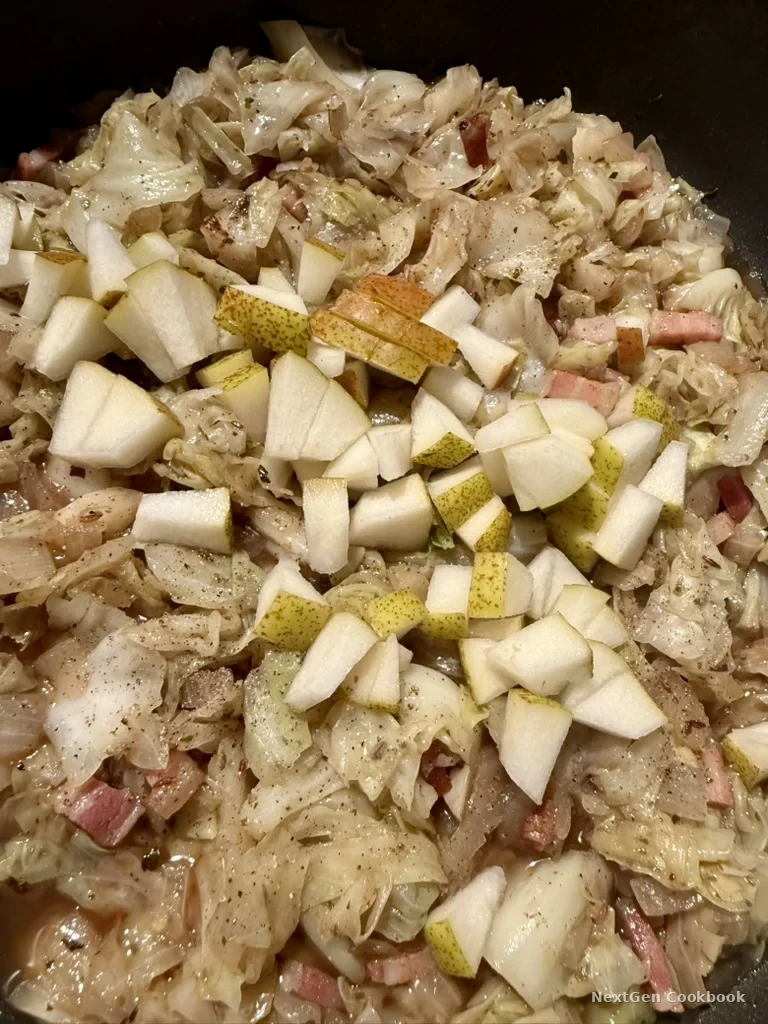
At the end of the cooking time, remove the lid to allow remaining liquid to reduce. Balance the sweetness with a little vinegar. Stir in some cold butter to enhance the flavour and thicken the sauce. We recommend seasoning with a little cayenne pepper as well. Finely grated lemon zest and parsley add a touch of freshness. Also season to taste with salt.
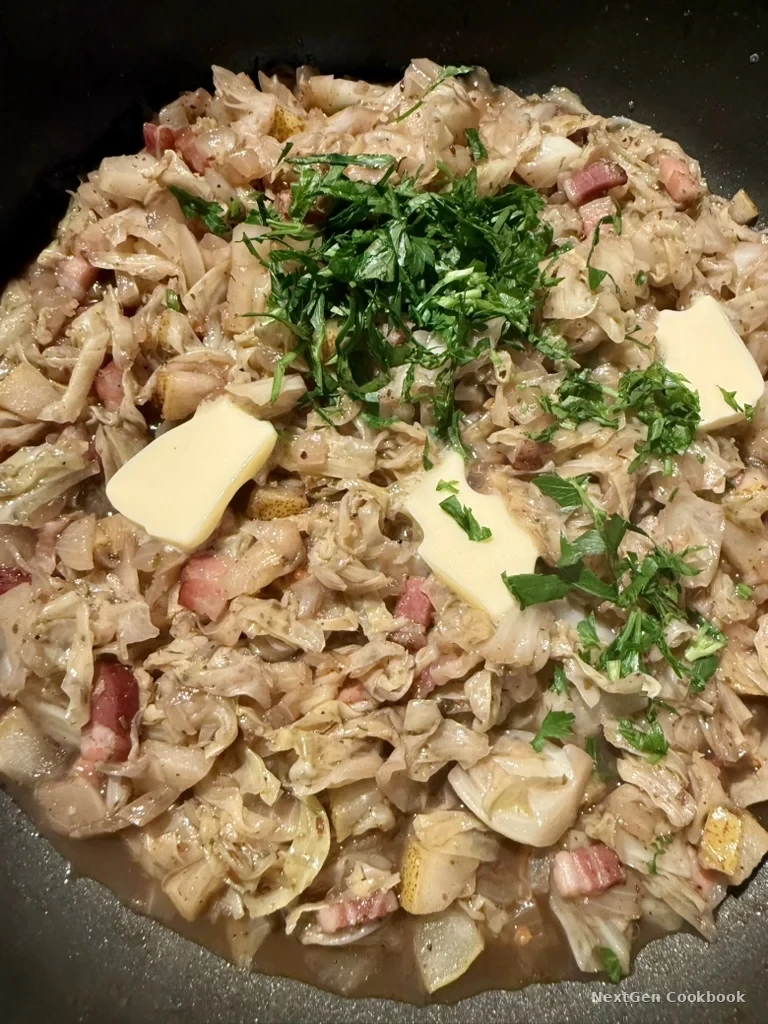
And that’s it – the Bavarian cabbage is ready. It’s a brilliant accompaniment to roast pork or simply a bratwurst.
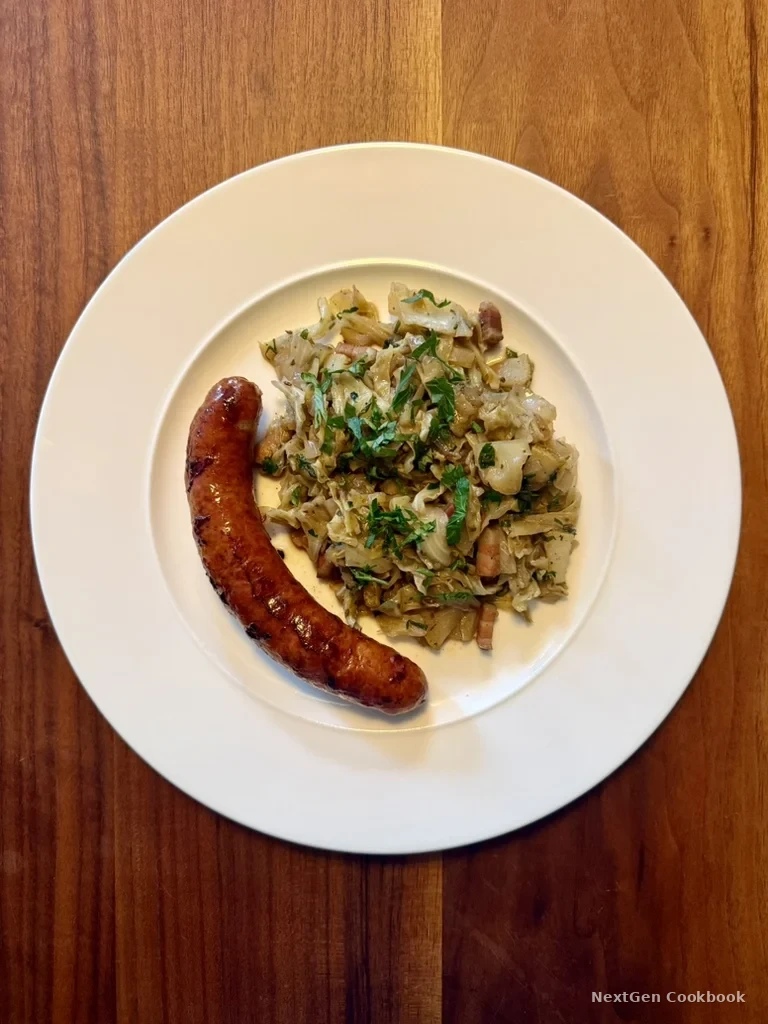
Enjoy.
And may the taste be with you.
Ingredients (for 4 people):
800 g white cabbage or hispi cabbage
120 g streaky bacon
2 onions
1.5 tbsp clarified butter
1 tbsp sugar
1 tsp caraway seeds
1 tsp dried marjoram
½ tsp ground cloves
½ tsp allspice powder
1 tsp freshly ground pepper
1 tsp salt, plus more to taste
200 ml dark beer
1 tbsp vinegar (apple, wine or brandy vinegar)
1 apple, pear or quince, diced (optional)
1 tbsp cold butter, in pieces
1 pinch of cayenne pepper (optional)
1–2 tsp lemon zest (optional)
2 tbsp parsley, chopped
