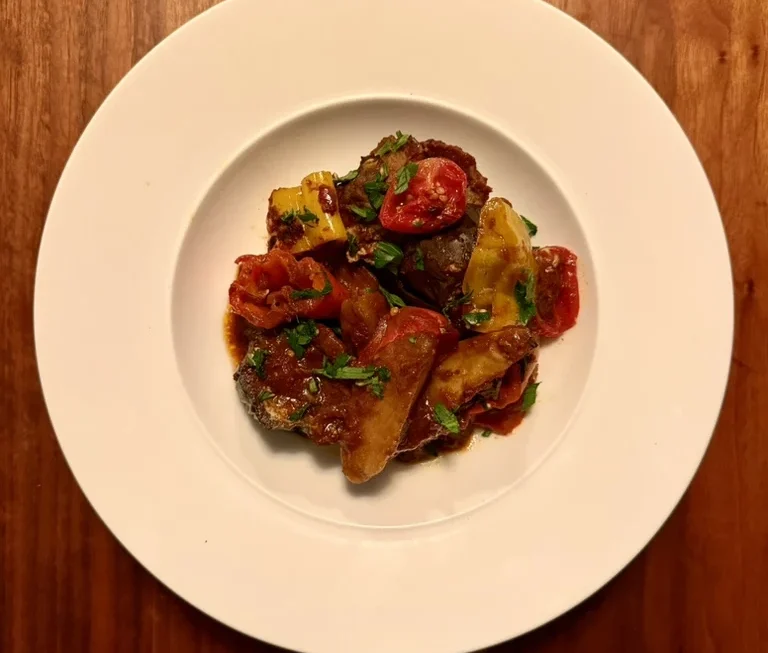
It’s time for Turkish cuisine again. Today: aubergines (patlican) with köfte.
This dish, too, comes in all sorts of variations. Anything that tastes good goes, and we simply want to share the basic idea behind the dish and a version that we find particularly lovely and delicious.
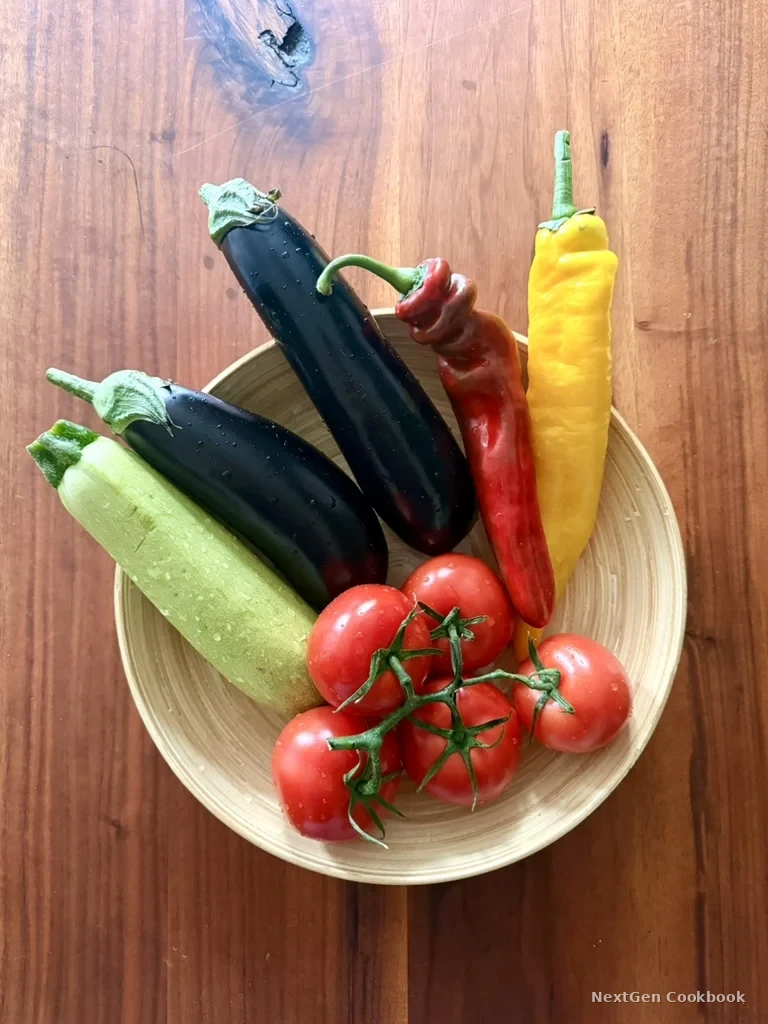
It’s best to start at the greengrocer’s and buy whatever appeals to you. You can’t do without aubergines, but other vegetables can be combined with them. Pointed peppers and tomatoes are almost always used, but courgettes and onions, for example, also go well with it.
Another key element of the dish’s distinctive flavour is köfte – strongly spiced meatballs made from minced lamb, beef or a mixture of the two. In this recipe, you’ll find detailed instructions on how to prepare the meat for köfte.
Incidentally, this dish is particularly well suited to using a plant-based alternative to meat, as it is gently cooked in the oven, allowing the many flavours to blend together perfectly.
There are many different ways to season köfte. Today we’re using salt, black pepper, ground cumin and ground coriander seeds. You could also add a little allspice, cinnamon and/or sumac. Sweet paprika or chilli flakes (pul biber) for a bit of heat also work very well. It’s best to experiment every now and then to find your own favourite blend.
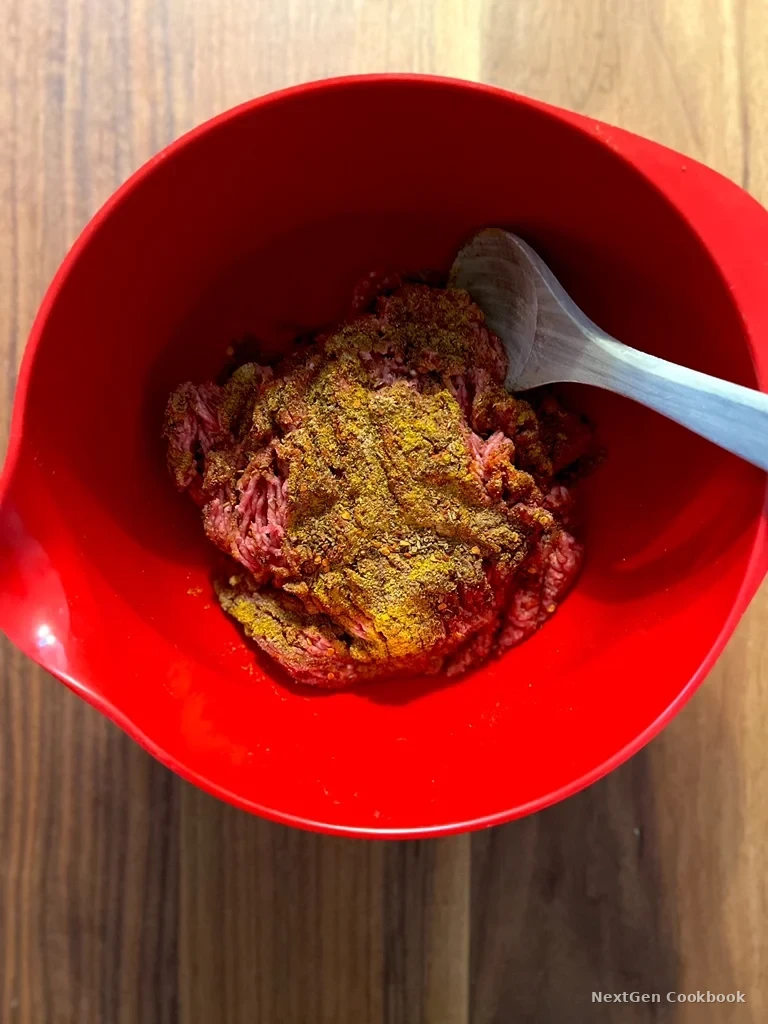
Add grated onion and garlic. The juice released during grating is important for the texture and flavour of the köfte. A food processor, such as our Moulinette, comes in very handy here.
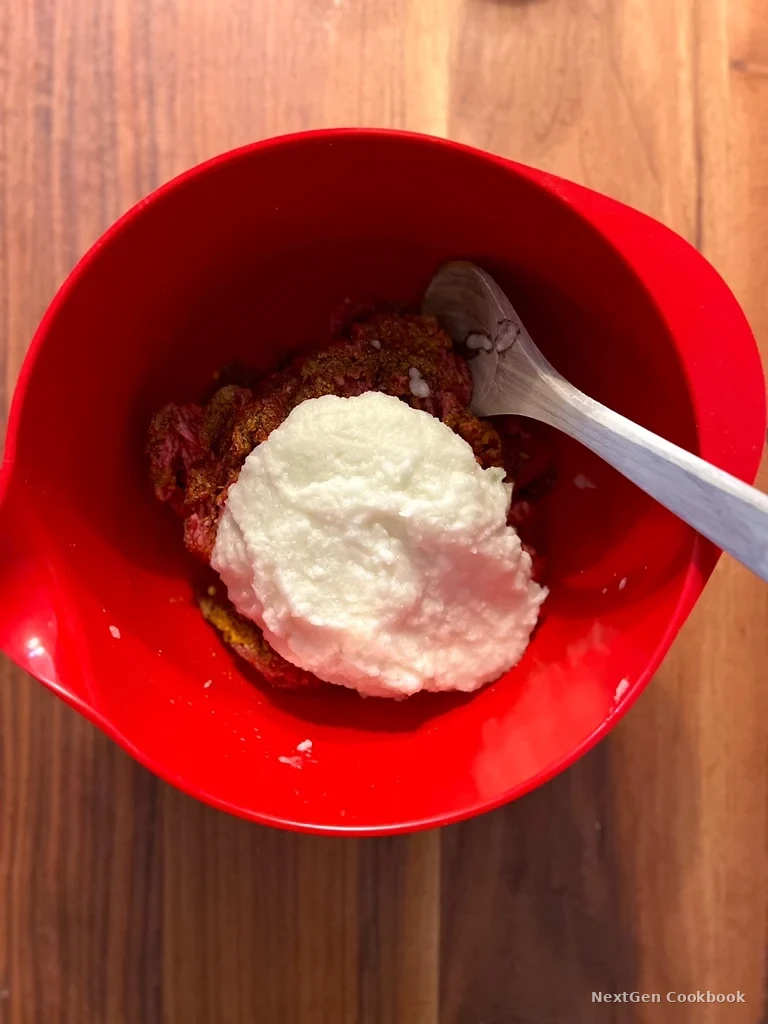
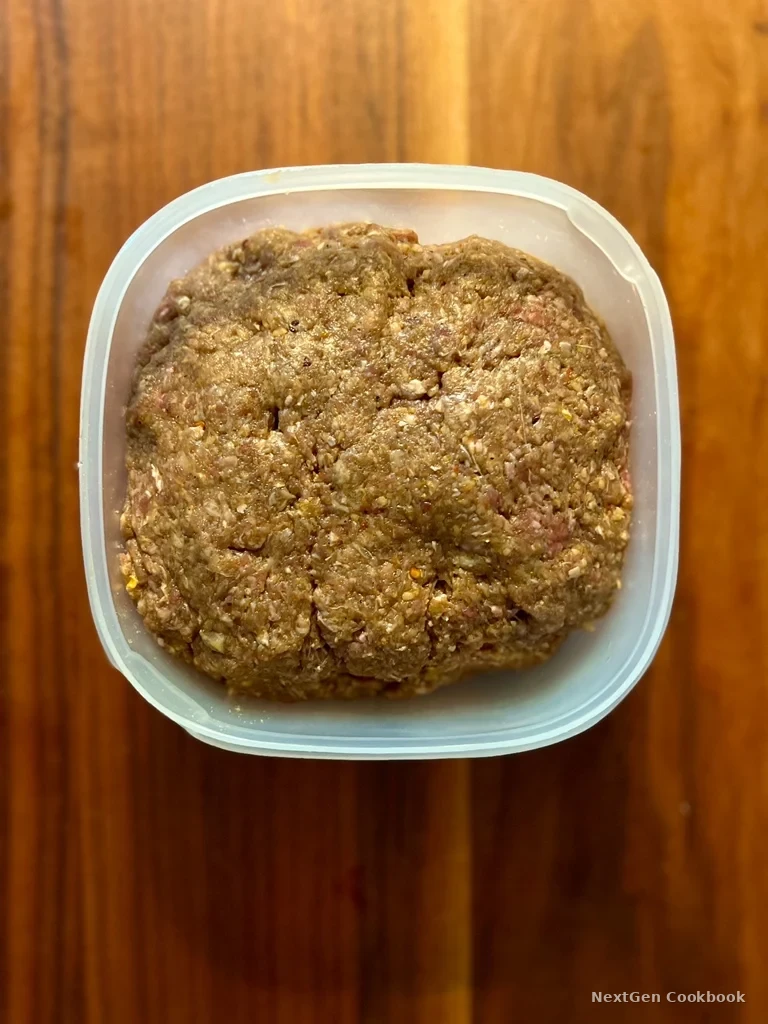
The whole thing must now be mixed through and, above all, kneaded. This works best by hand. You need to knead it vigorously until the meat changes texture and becomes bound together. You can see and feel the difference. This is crucial because Turkish köfte are usually not bound with egg, but you don’t want them to fall apart later on either. Allow six to eight minutes for this by hand.
The mixture is then covered and kept in the fridge for at least 4 hours until further processing – or, better still, overnight.
Cut the aubergines into slices 3–4 cm thick and soak them in heavily salted water for 15 minutes. Place a weight, such as a small plate, on top to ensure they are submerged rather than floating on the surface.
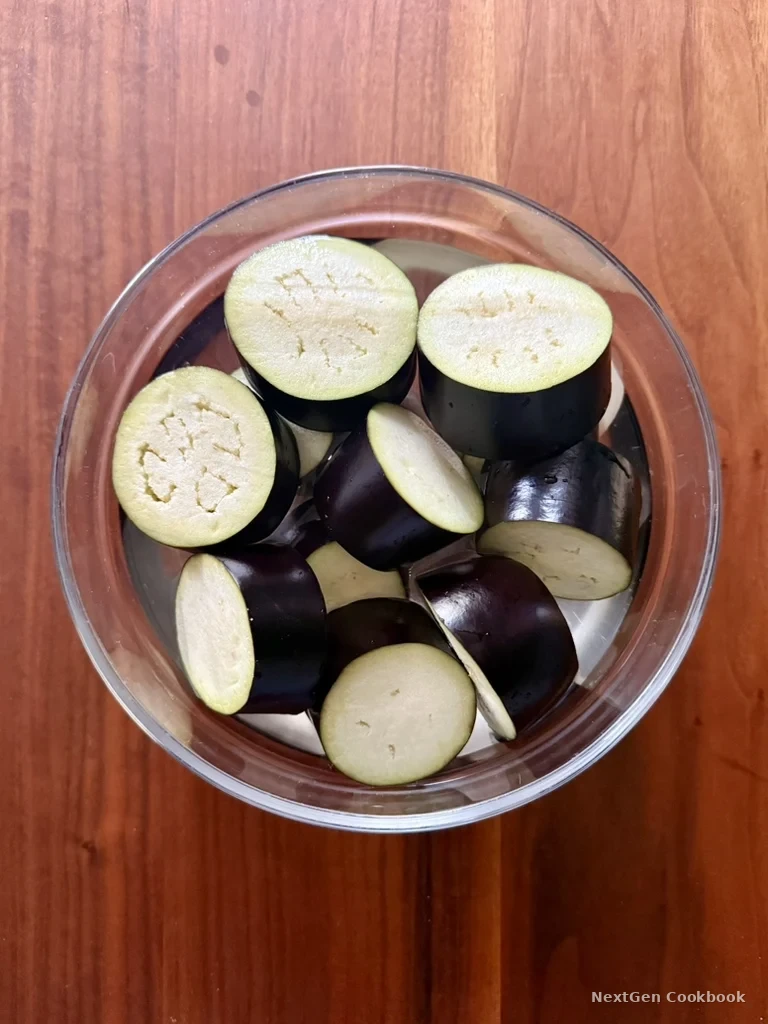
Treating aubergines with salt – either dry or, as here, wet – before cooking has two effects. They lose some of their bitterness and do not soak up as much oil, giving them a more pleasant texture.
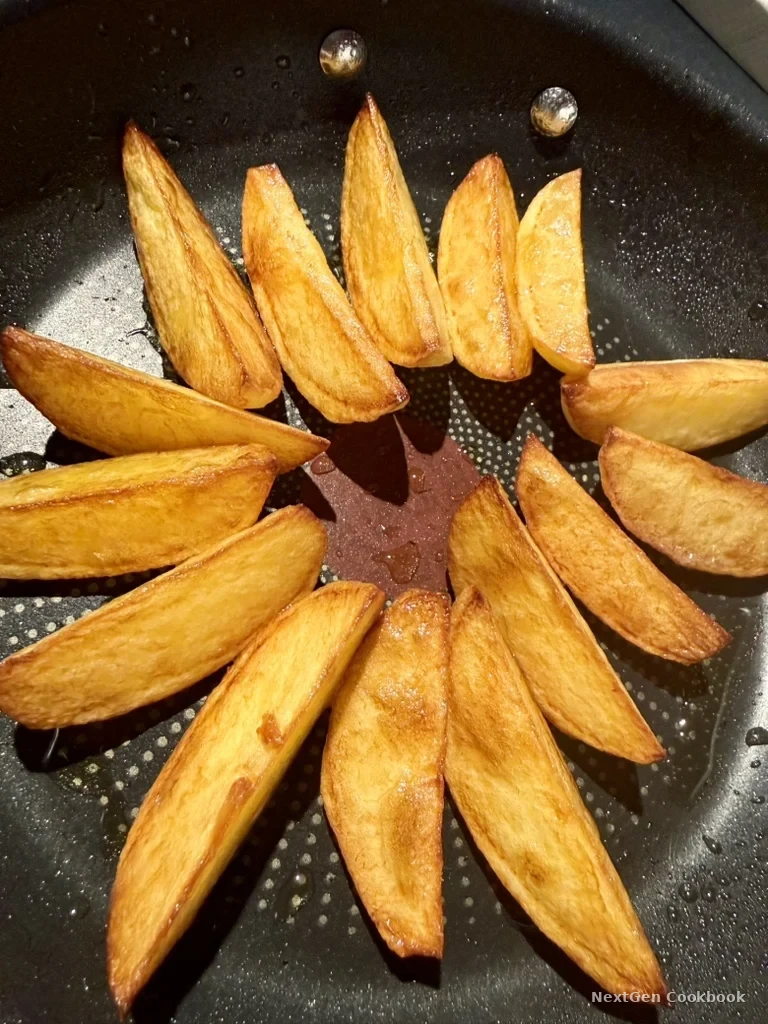
People often enjoy this dish with rice or bulgur, but we simply bake some potato wedges alongside it – that way, there’s no need for a second cooking stage and the oven does the job in one go. We brown the potatoes over a medium-high heat in a little olive oil; you wouldn’t be able to achieve this effect in the oven on its own. We use the same technique in this delicious dish from Greece, too.
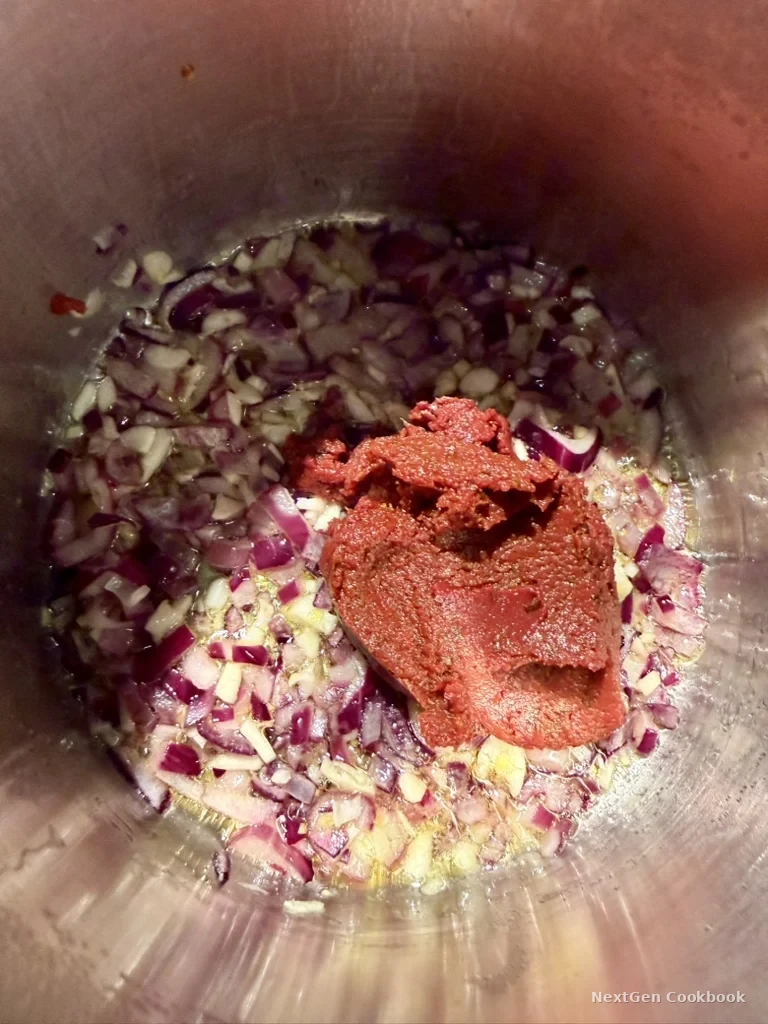
To make a sauce, gently fry finely diced onion in a little olive oil. Once the onion is translucent, add garlic.
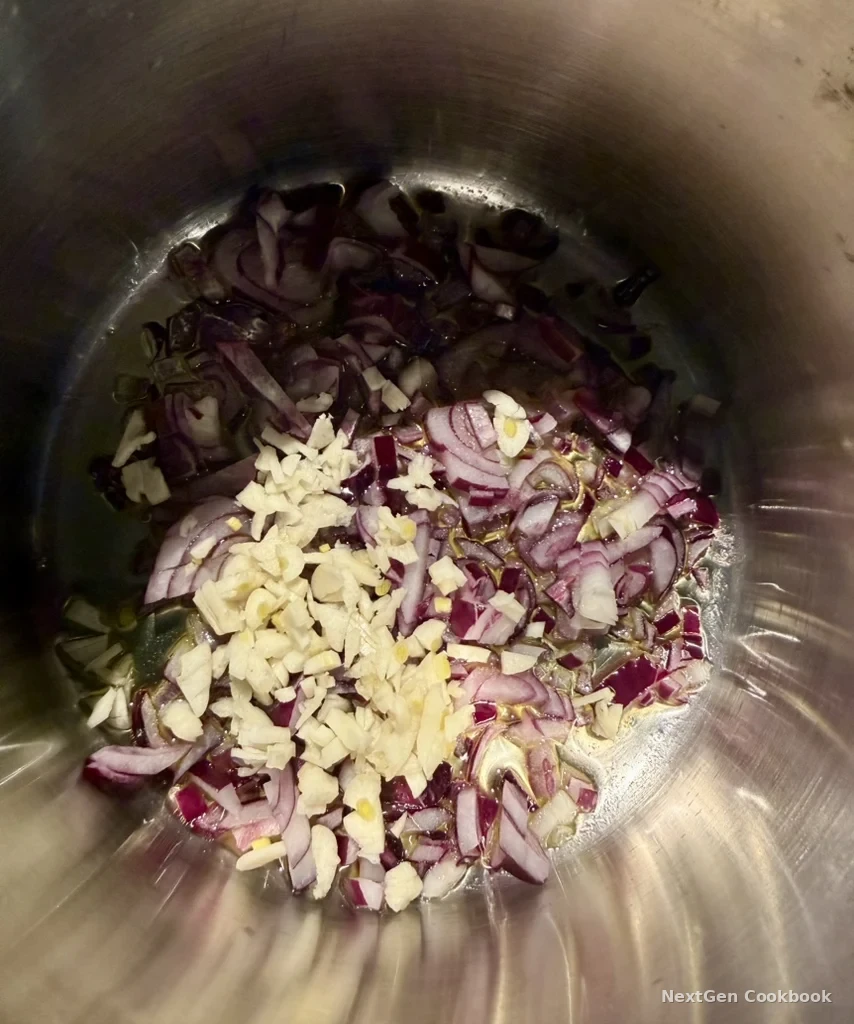
A minute after adding the garlic, introduce salça – a concentrated Turkish vegetable paste made from tomatoes, peppers or a mixture of both. Alternatively, you can use tomato paste, although if it is concentrated, you should reduce the amount. Fry everything for a further minute.
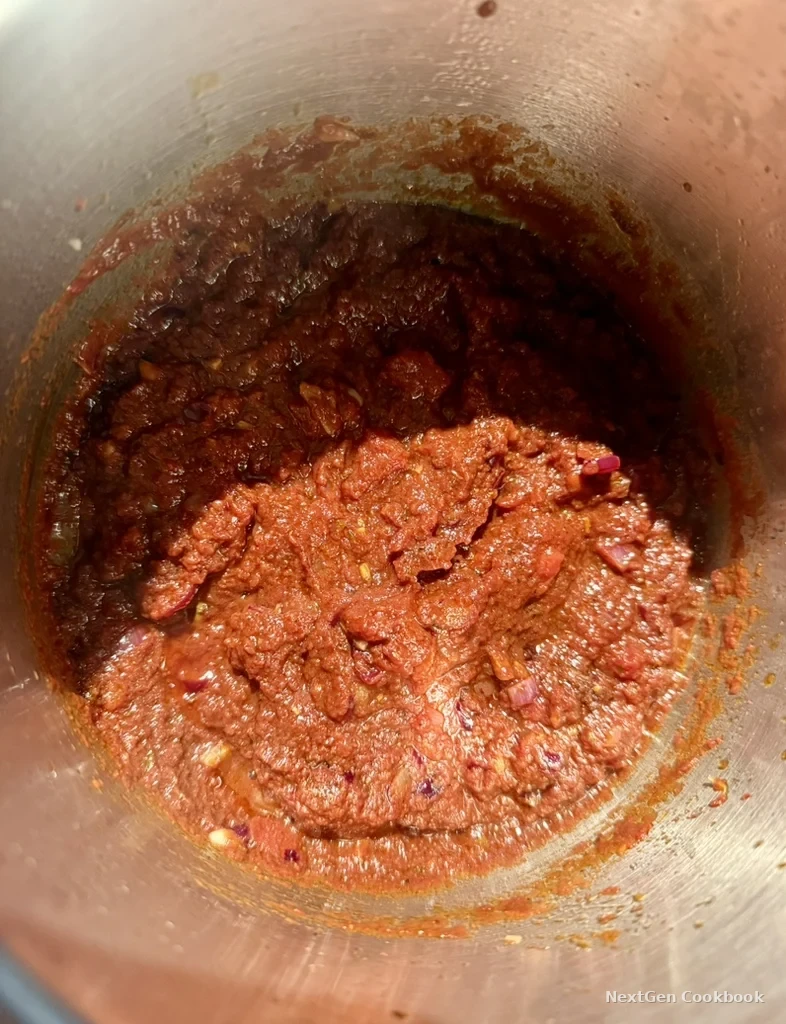
Now add some grated tomatoes or chopped tinned tomatoes. At this stage, it shouldn’t be a sauce, but more like a fruity paste, seasoned to taste with salt and black pepper. If you like it spicier, you can also add a little pul biber here.
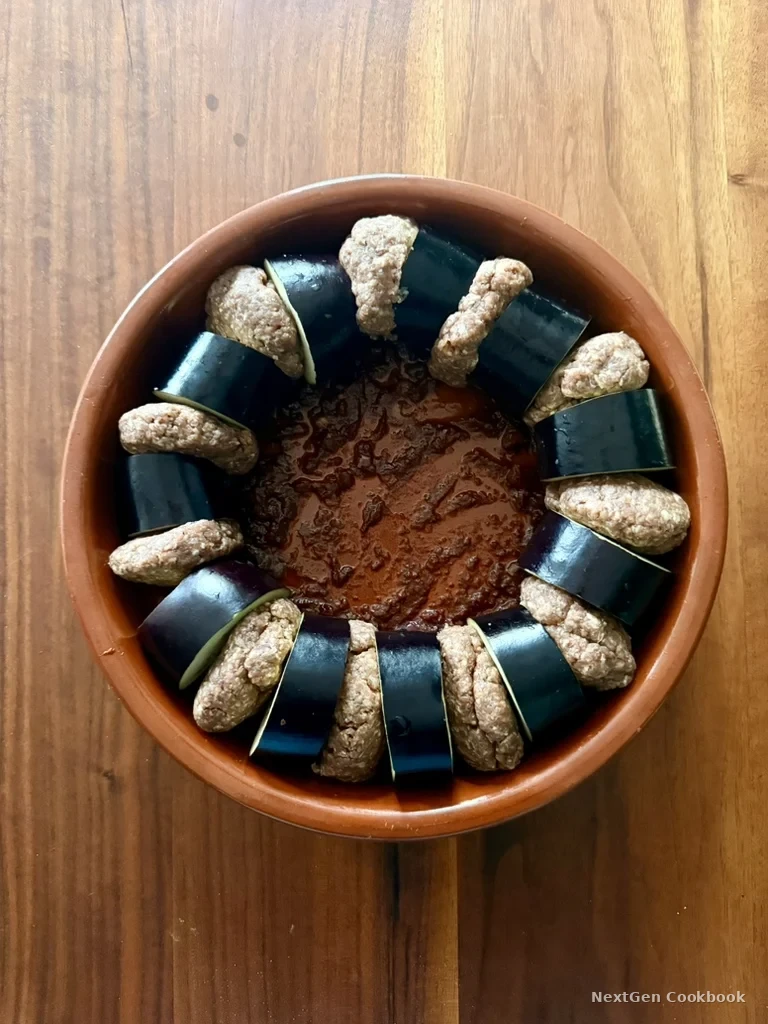
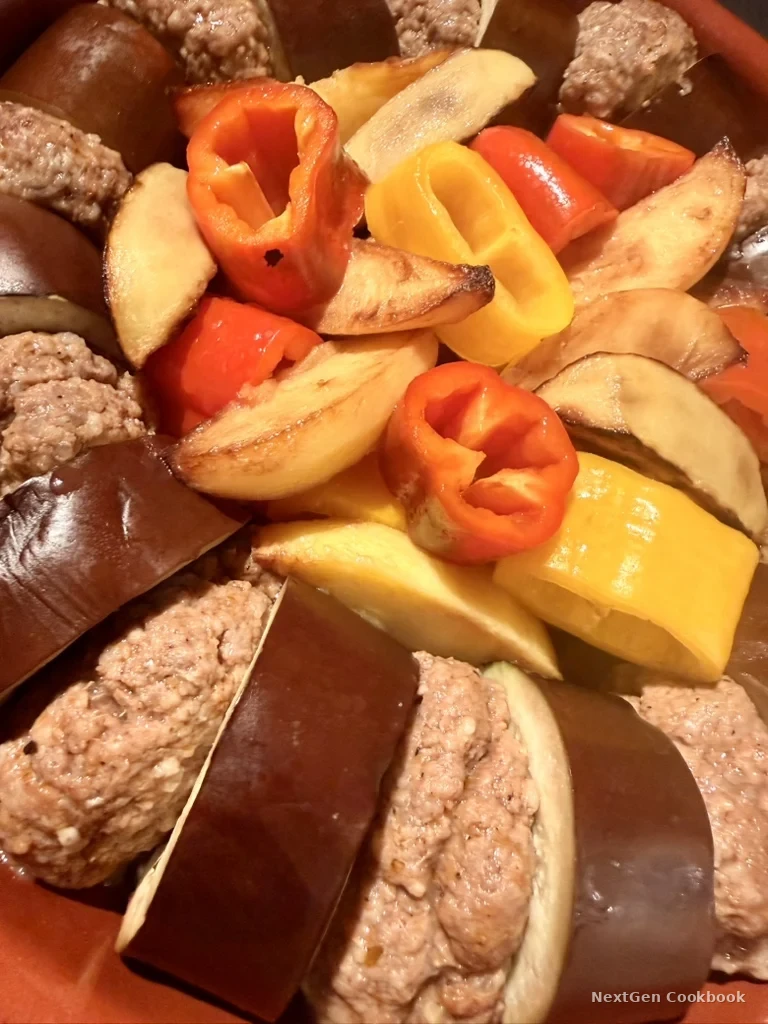
Lightly grease a round oven dish with a little olive oil, then spread a small amount of the tomato paste over the base. Shape the meat into flat patties and arrange them in a circle, alternating with the drained aubergine.
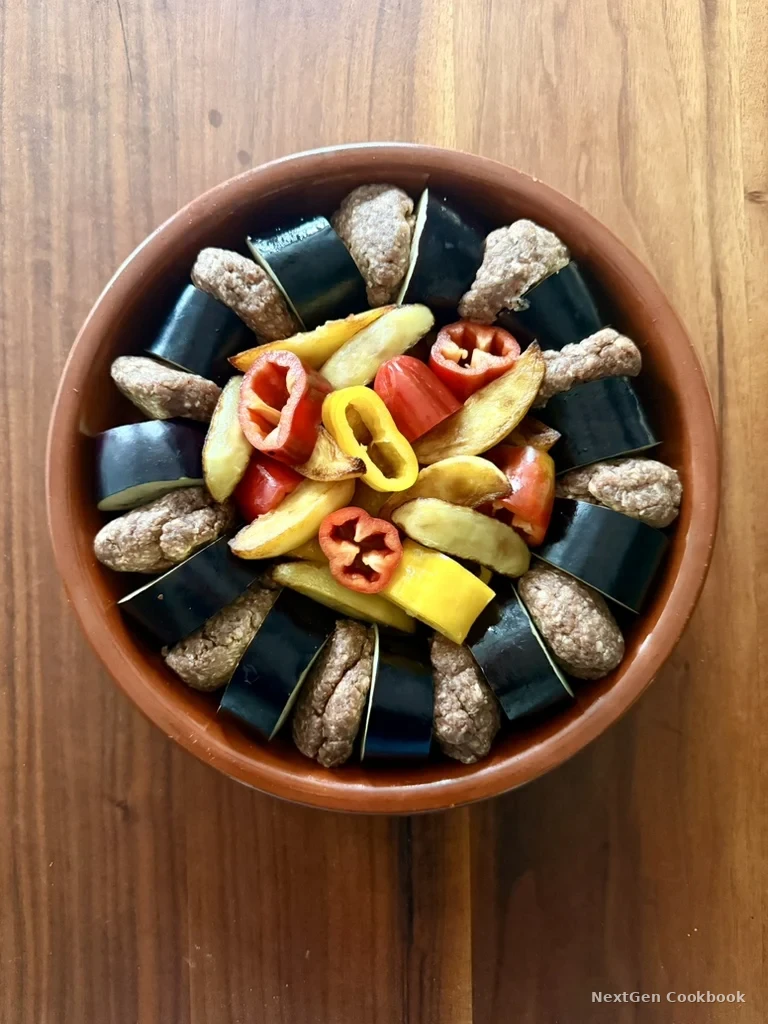
In the centre, put the vegetables of your choice, in our case mixed with the potato wedges. At this stage, however, only the vegetables that need more time in the oven are added. Softer varieties such as courgettes and tomatoes follow later.
The dish must be tightly sealed with aluminium foil – this is essential. It is then baked in an oven preheated to 180 °C using top and bottom heat for at least 30 minutes. The meat and vegetables are simply steamed under the foil. Check whether a knife slides easily into the aubergines. If not, bake the dish for a little longer. It’s not unusual for this to take rather 45 minutes.
The remaining bulk of the tomato paste is mixed with a little water to form a thick sauce, which is then poured over the dish. Finally, tender vegetables are added, particularly fresh tomatoes.
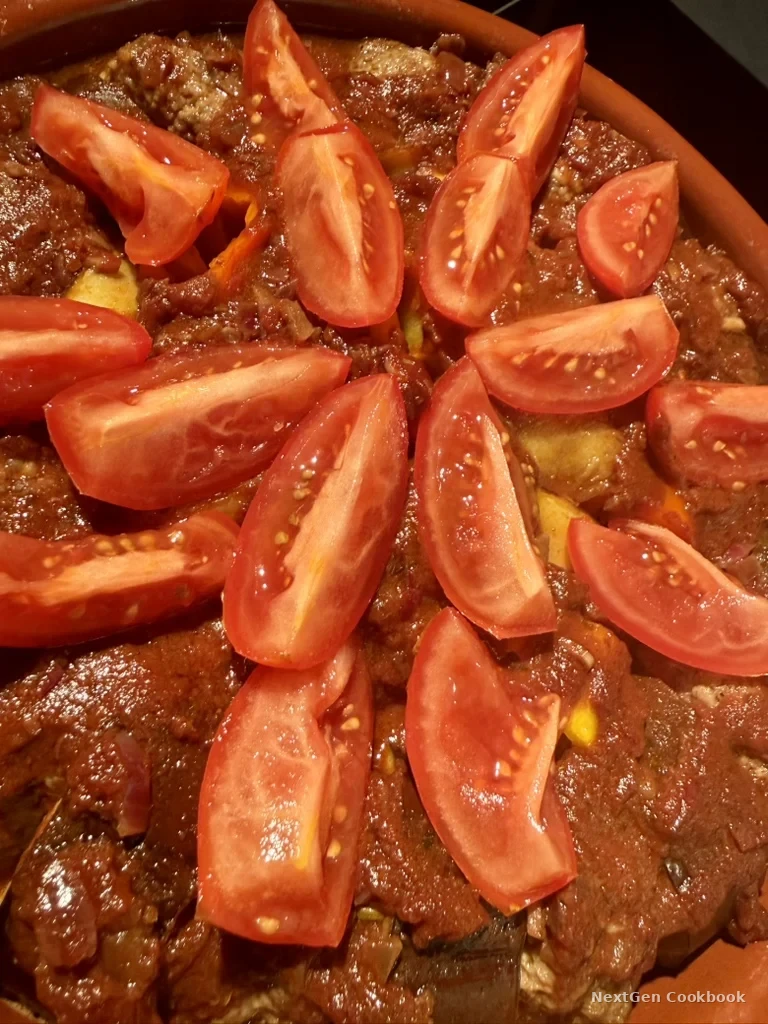
Preheat the oven to 220 °C and bake the dish, uncovered, for a further 15–25 minutes, until the top has taken on a lovely colour. Leave to cool and place in the centre of the table, where everyone can help themselves to whatever they like.
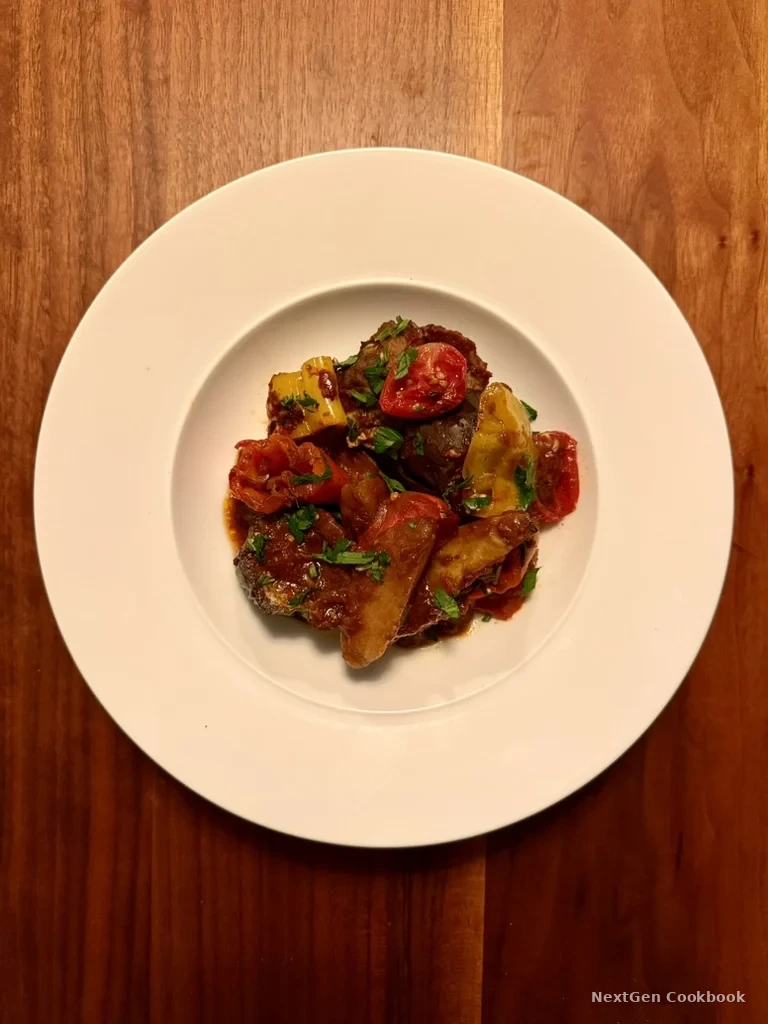
Enjoy.
And may the taste be with you.
Ingredients (for 4 people):
For the köfte:
400–500 g minced beef and/or lamb, alternatively, a plant-based substitute
1 onion, grated
2 garlic cloves, grated
1 tsp salt and ½ tsp each of black pepper, cumin and coriander
Optional spices: allspice, cinnamon, sumac, paprika, chilli powder (pul biber)
For the sauce:
2 tbsp olive oil
1 onion
3–4 garlic cloves
2 tbsp salça (alternative: tomate paste)
200 g grated tomatoes or chopped tinned tomatoes
Salt and black pepper
Optional: a little pul biber
200 ml water
For the vegetables:
4 thin aubergines
4 pointed peppers or other vegetables of your choice (for example, courgettes and/or sliced onions)
Optional: 4 potatoes, browned in a little olive oil
4 tomatoes
