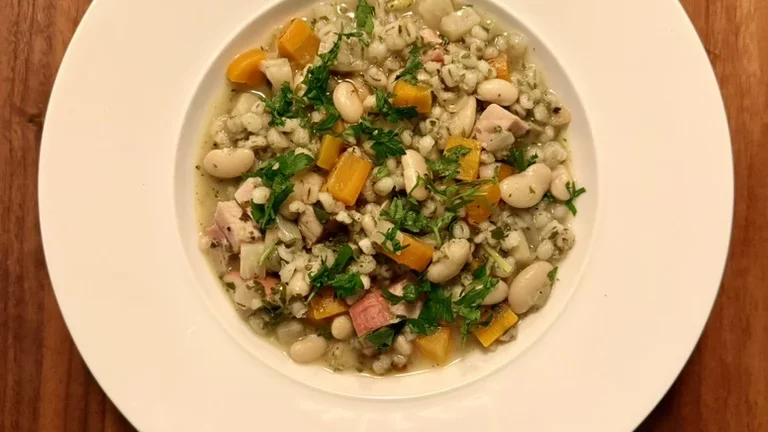
Anyone looking for the oldest dishes in Europe that are still eaten today will eventually come across the Ritschert. Archaeological finds in Austria show that people there were already familiar with a dish made from barley grains, pulses and salted…
may the taste be with you
Anyone looking for the oldest dishes in Europe that are still eaten today will eventually come across the Ritschert. Archaeological finds in Austria show that people there were already familiar with a dish made from barley grains, pulses and salted…
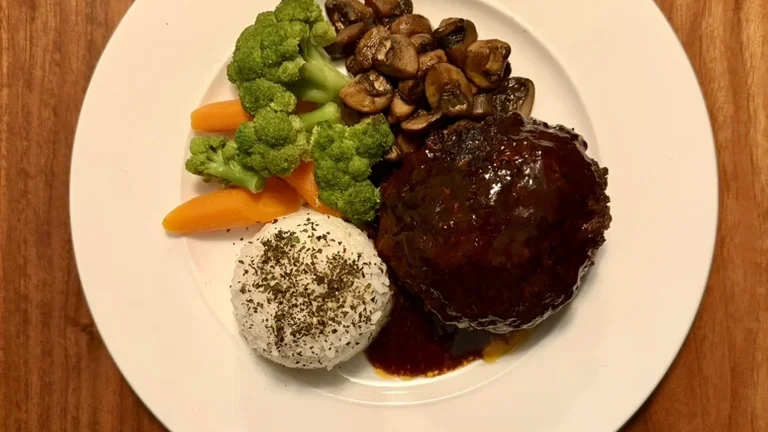
Hambagu (ハンバーグ) is part of yōshoku – Western-style cuisine, or more specifically, Japanese adaptations of Western dishes that emerged from the Meiji period (1868–1912) onwards, when Japan opened up to foreign culture and cuisine after centuries of isolation. The name…
Bifanas are thought to have originated as a quick, inexpensive and filling meal for the working class. The Alentejo is considered their region of origin; specifically, the small town of Vendas Novas, east of Lisbon, is often cited. Over the…
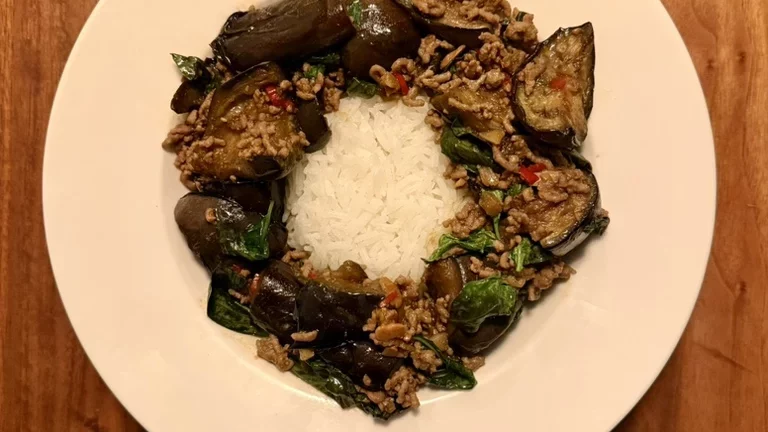
We came across this dish in the historic centre of Bangkok and are keen to share it with others, as it’s a delicious example of the cuisine that has developed in Thailand through Chinese influences. Meat is a common ingredient…
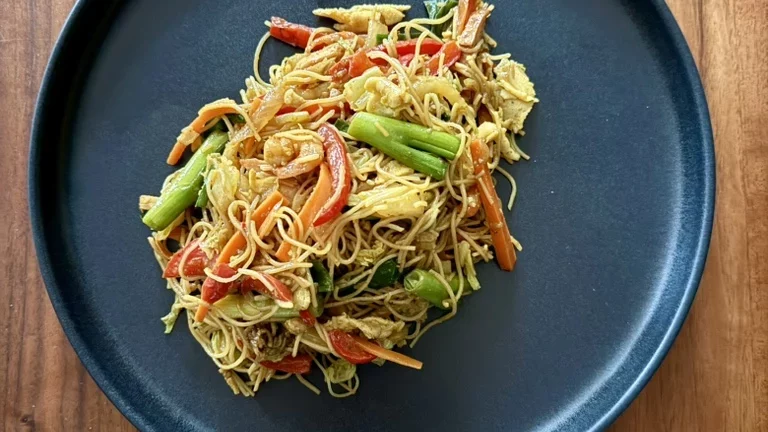
You won’t find Singapore noodles (Singapore Mei Fun) in Singapore. They originate from Hong Kong, which is a good 2,500 km to the north-east. This is a classic example of a dish that was created through the fusion of different…
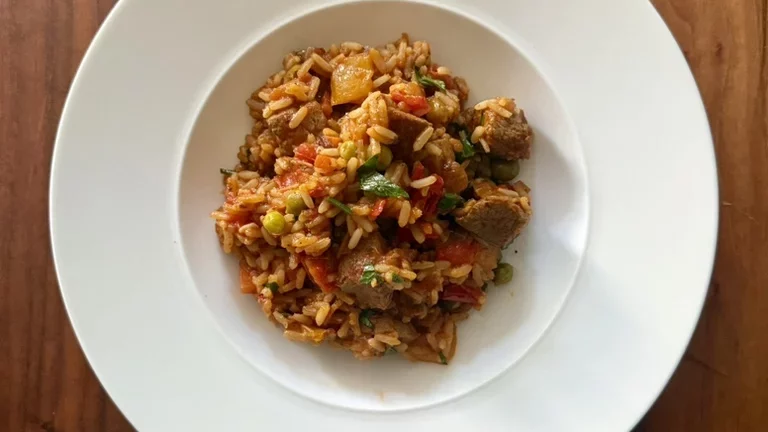
Djuvec (pronounced Joo-vetch) is a staple in many Balkan cuisines. It is a rice dish that can be served with or without meat and can be eaten as a main meal or a side dish. The name is derived from…
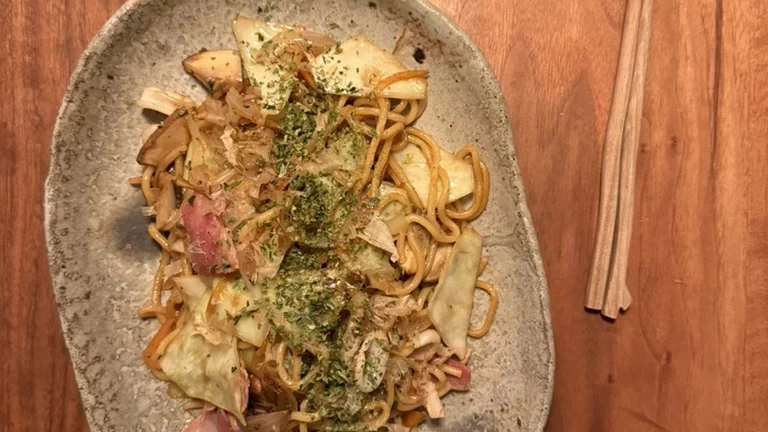
Yakisoba is not an old dish, but became popular after the Second World War when inexpensive, filling meals were urgently needed. It is related to chow mein from China and mie goreng from Indonesia. Literally translated, yakisoba means ‘fried noodles’,…
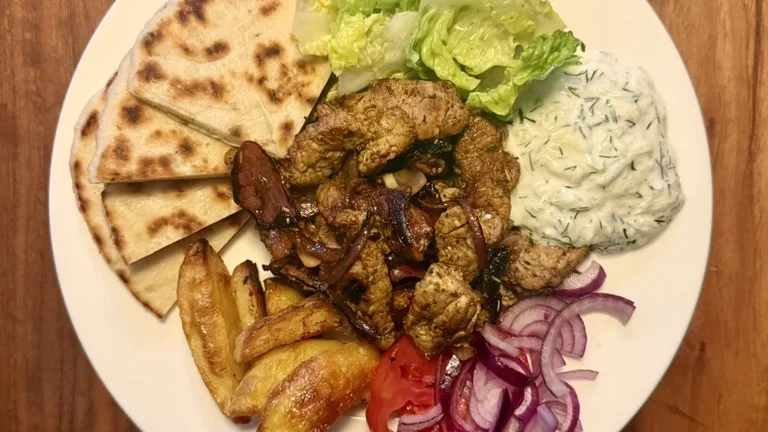
Gyros (pronounced “Yiros”) – from the Greek word “γύρος” (spinning top, round) – originally refers to the movement of a rotating skewer. The idea of cooking meat on a rotisserie is common in many cultures, such as döner kebab in…
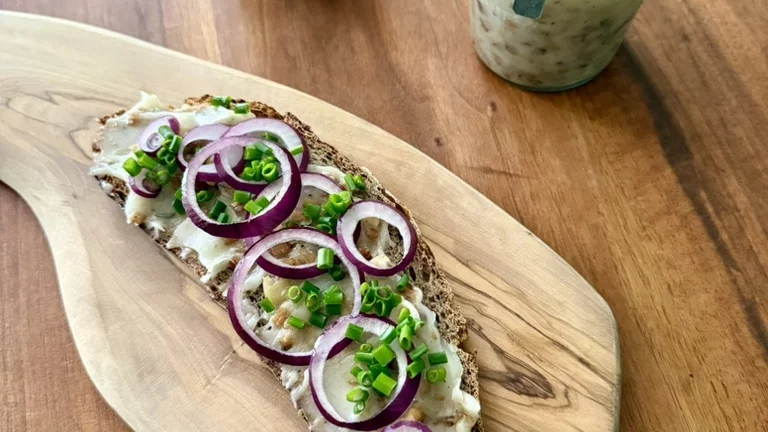
Lard, or crackling lard, is older than any kitchen we know of. Wherever pigs were kept – and in Central Europe, that was virtually everywhere since the Neolithic – the slaughter yielded fat that was simply not thrown away. When…
Shashlik is a dish of the Turkic peoples of Central Asia and refers to a meat skewer. There are very different dishes of this name, with different types of meat, but also without any meat at all. Shashlik is usually…
Begin typing your search term above and press enter to search. Press ESC to cancel.